Mixing & Mastering
How to Mix Vocals: 10 Steps to a Pro Sound
Affiliate disclosure: This post contains affiliate links. If you buy through them, Sandy Music Lab may earn a small commission…
Home recording guides from Sandy Music Lab show you how to set up a home studio and record guitar, bass and vocals, covering audio interfaces, mics, DAWs, latency and room treatment.
Start with the complete home recording studio setup or, if you mainly play guitar, the beginner guitar recording setup. Then pick your tools: audio interfaces, free DAWs, dynamic vs condenser mics and studio monitors.
Step-by-step guides cover miking an acoustic guitar, recording electric guitar, recording vocals at home and fixing latency. When the tracks are done, the Mixing & Mastering section below takes you through the mix.
Affiliate disclosure: This post contains affiliate links. If you buy through them, Sandy Music Lab may earn a small commission…
Affiliate disclosure: This post contains affiliate links. If you buy through them, Sandy Music Lab may earn a small commission…
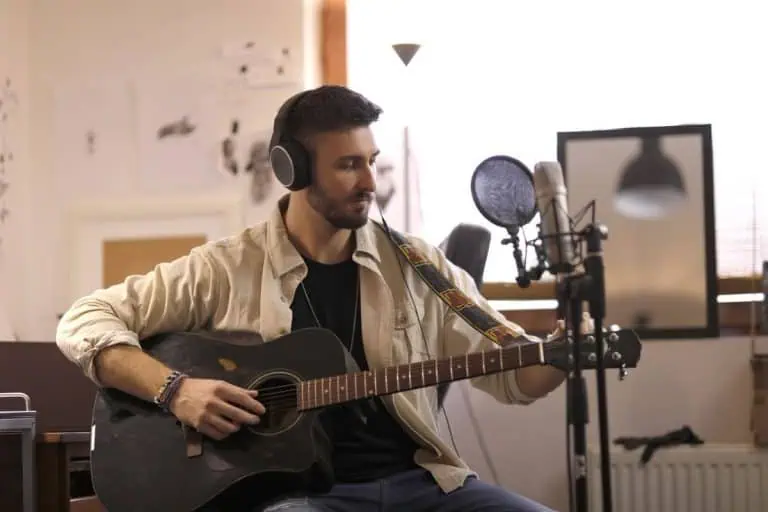
Quick answer: How to mic an acoustic guitar: the most reliable starting point is one condenser mic about 6–12 inches…
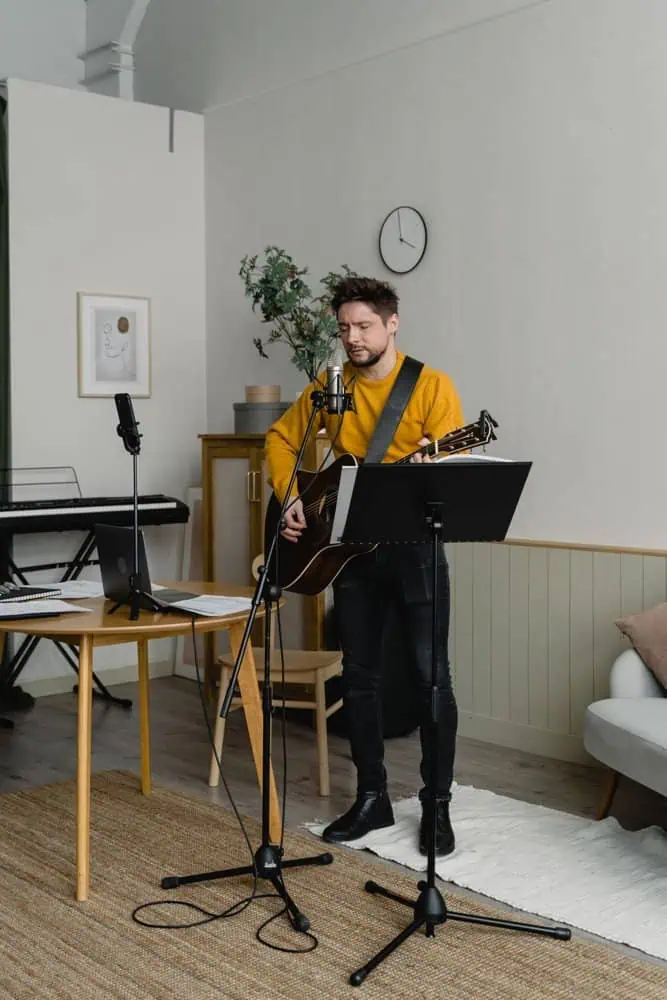
Quick answer: A basic home recording setup for guitar needs four things: a computer (or tablet), a USB audio interface…
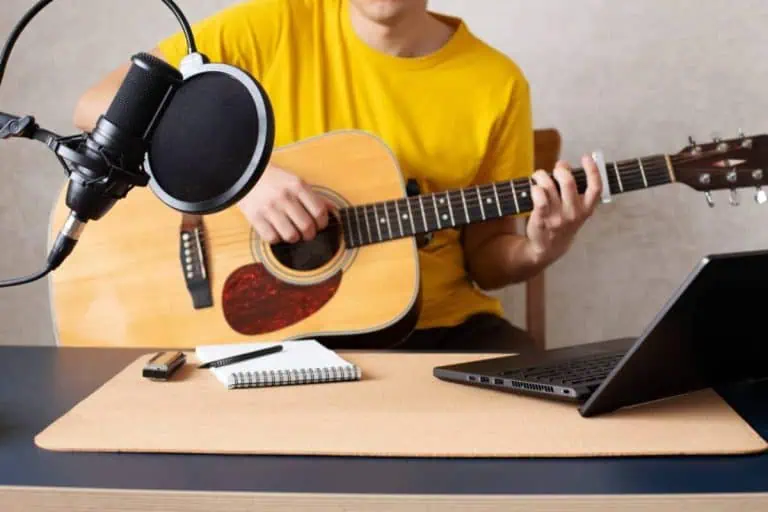
Audio interfaces are an indispensable tool in every home studio. They allow you to connect your instrument to your computer…
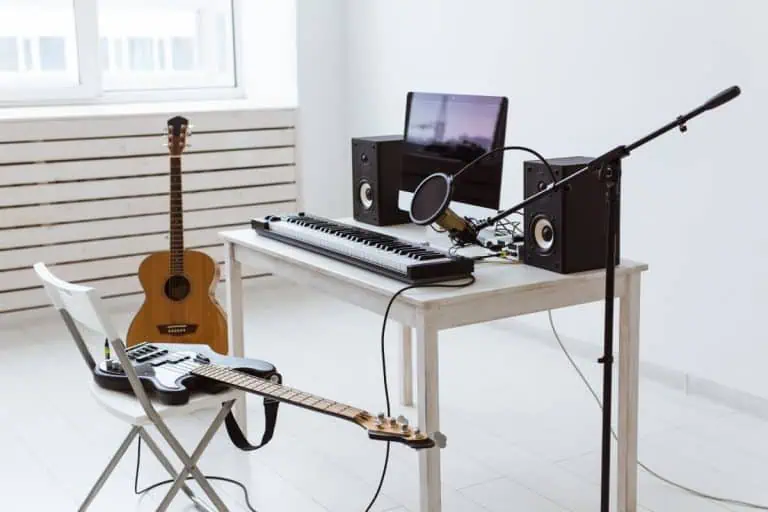
Recording your music can get difficult and expensive, as a decent audio interface can set you back a few hundred…

Quick answer: The best guitar mics for most recordings start with the Shure SM57, the industry-standard dynamic mic for guitar…
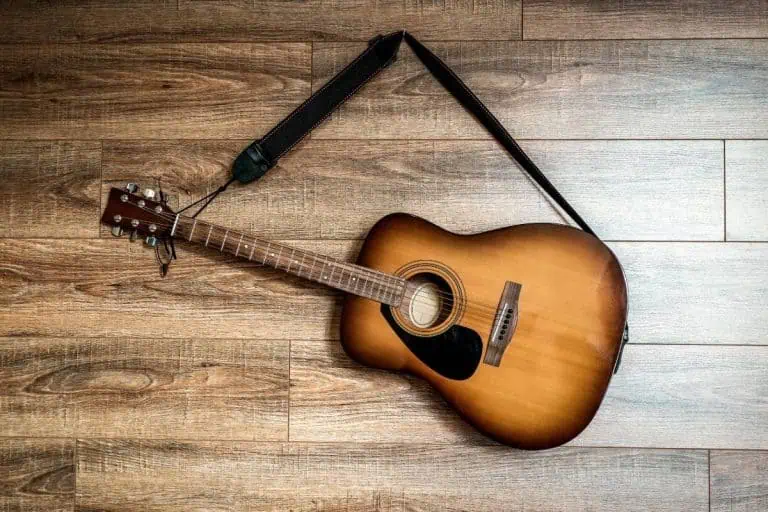
If you’re a musician or sound engineer, you know that mic’ing an acoustic guitar can be a bit of a…
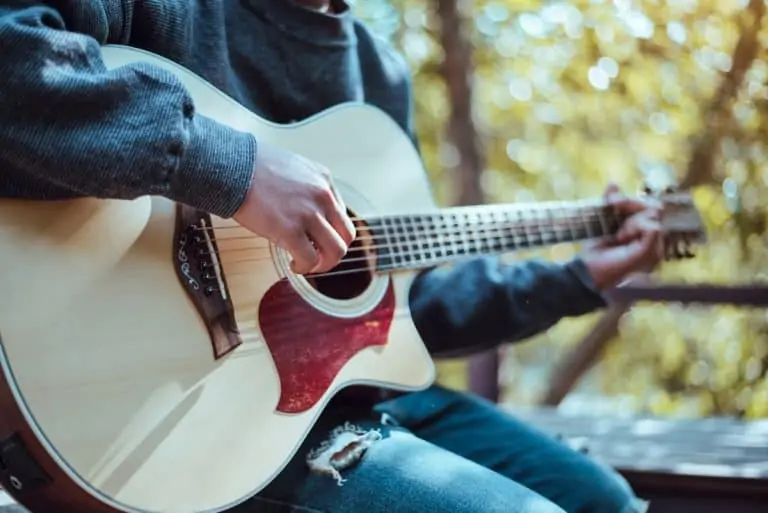
The world of recording music can be complicated, to say the least, which can deter many beginners from even trying…
Playing an acoustic guitar is excellent, but what’s even better is having a digital recording of what you played to…