Choosing an acoustic guitar is mostly about matching body shape and size, solid versus laminate construction, steel or nylon strings, your playing style, your budget and whether you need a pickup. Get those choices right and a well-set-up guitar can feel like yours. This guide walks through the decisions in order and points you to the matching buying guides when you are ready to compare models.
Quick answer: Decide body shape and size first, then steel or nylon, then whether you want a solid top, then budget and whether you need a pickup. Comfort and a good setup matter as much as the logo. Use the checklist below, and compare models in the linked shape, style and brand guides rather than buying on looks alone.
How do you choose an acoustic guitar?
Choosing an acoustic guitar is about matching decisions to the way you play: body shape and size, solid versus laminate top, steel or nylon strings, your style, your budget, and whether you need a pickup. Get those right, and a well-set-up guitar can feel like yours. Get them wrong, and even an expensive instrument can sit in its case.
This guide walks through those choices in the order that usually matters most. It does not push specific products. When you are ready to compare models, each section points to the matching buying guide on Sandy Music Lab, and how to buy a guitar covers the broader first-guitar process.
Related: types of acoustic guitar body shapes, things to look for when buying an acoustic and classical vs acoustic guitars.
What should you decide first?
If you only read one section, answer these questions before you shop. How big are you, and where will you play? Smaller bodies are usually more comfortable; larger bodies are louder and fuller. Steel strings give the familiar sound of folk, pop and country. Nylon is the classical and flamenco path, and the two guitars are built differently.
Then decide how you play, what you can spend, and whether you need to plug in. A solid top is the upgrade that usually changes the sound most. A good setup can matter more than an extra feature. The rest of this guide explains each of those choices in more detail.
Which body shape and size should you get?
Body shape is the biggest influence on how an acoustic sounds and how it feels against you. Larger bodies move more air, so they are louder and have more bass. Smaller bodies are more focused and often more balanced. Comfort is part of tone, because a guitar you cannot hold is a guitar you will not practice.
Dreadnought
The dreadnought is the classic big, square-shouldered acoustic, with a strong low end, plenty of volume and a punchy midrange. It is a default for bluegrass rhythm, country, folk and hard strumming. It can feel large on a smaller frame. See best dreadnought guitars.
OM, orchestra model and auditorium
These shapes have a narrower waist and a slightly smaller body than a dreadnought. They are usually more balanced, with clearer individual notes, which is why fingerstyle players like them, and they are often easier to hold. See best OM guitars.
Parlor and smaller bodies
Parlor, concert and many 3/4 guitars are compact, focused and easy to sit with. They are a smart choice for smaller players, travel and quieter rooms, at the cost of some bass and volume. See best parlor guitars and how to choose the right size.
Jumbo
Jumbos are the largest common steel-string shape, with a big low end and a lot of air. They can be wonderful if they fit you, and tiring if they do not. See best jumbo guitars and 6 signs your guitar is too big.
Body depth, lower-bout width and scale length all affect comfort. If your strumming arm is reaching uncomfortably far, or open chords feel like a stretch, the guitar is probably too big.
Should you get a solid top, and which tonewoods matter?
The top, or soundboard, does most of the acoustic work. A solid top is cut from a single piece of wood, usually two book-matched halves. It generally sounds more responsive than a laminate top and tends to open up as it is played. For most players, a solid top is the most noticeable upgrade from a starter guitar.
A laminate top is layers of wood glued together. It is often tougher for travel and climate changes, and it is common on entry-level guitars. It can still play well with a good setup. “All-solid” means the back and sides are solid too, which usually costs more and can add some richness, but the top is still the first priority.
Tonewood debates can get louder than they deserve. Build quality, bracing and setup usually matter more than the species alone. Common tendencies are still useful: spruce tops are often bright and clear; cedar is typically warmer and quicker to respond; mahogany is mid-forward and woody; rosewood back and sides often add bass and sparkle; maple is usually bright and focused. Treat those as starting points, not guarantees.
Should you choose steel strings or nylon?
This is one of the most important choices, and it is often misunderstood. A steel-string acoustic and a nylon-string classical are not the same instrument with different strings. They are built differently, and you should not put steel strings on a classical guitar, because the higher tension can damage it.
Steel strings sound bright, loud and sustaining. Necks are usually narrower and have a truss rod. This is the sound of most pop, rock, country and folk. They are harder on the fingertips at first, but calluses form with regular practice. Nylon-string classicals are typically warmer and easier on the fingers, with a wider neck. Choose nylon if you want classical, flamenco or that specific sound; see classical vs acoustic, best classical and nylon-string guitars and best flamenco guitars.
How should your playing style affect the choice?
Match the guitar to the way you actually play, not to a shape you like in photos. Hard strummers and singer-songwriters often like the volume and punch of a dreadnought or a jumbo. Fingerstyle players usually prefer a more balanced OM, auditorium, grand concert or parlor. Bluegrass and flatpicking often stay with a dreadnought.
Folk, country and blues work on several shapes; the better question is whether you want boom and volume or balance and comfort. Style-specific guides can help you compare current models: fingerstyle, flatpicking, bluegrass, folk, country, blues and resonator.
What changes as the budget goes up?
Price changes some things a lot and others barely at all. Entry-level guitars usually have laminate tops, or a solid top with laminate back and sides, and basic hardware. They are fine for learning if the setup is good. In the mid range, a solid top becomes standard and quality control is more consistent.
Upper-mid and professional instruments add all-solid builds, more refined bracing, nicer finishes and, often, better electronics. The gains are real, but they get smaller with each step. The biggest jump in sound and playability is usually from entry level to the first solid-top tier. Whatever you spend, a good setup is more important than an extra feature. See best acoustic guitars, best acoustic guitars under $500 and best cheap acoustic guitars.
Brand reputation is a rough guide to quality control and resale, not a guarantee. Look at the specific model and where that model is made. Compare Martin, Taylor, Yamaha, Canadian brands and Australian brands, and the Korean and Italian brand notes in the best acoustic guitars overview.
Do you need an acoustic-electric, and how should you play-test?
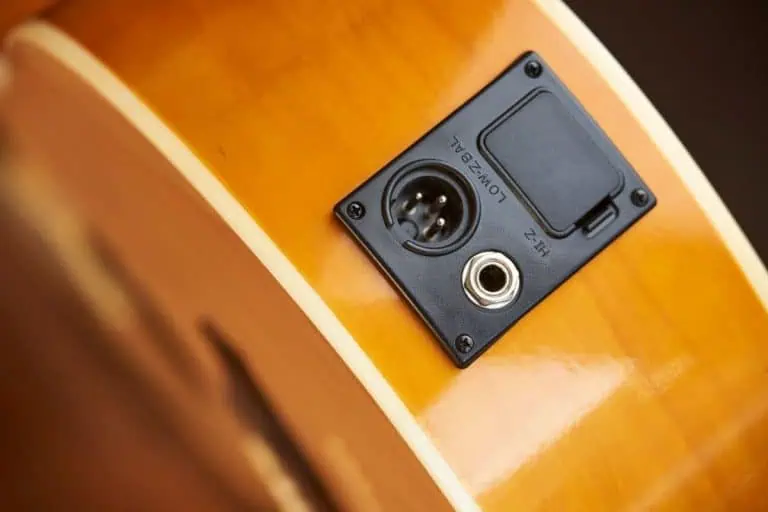
You need a pickup only if you plan to plug in for gigs, rehearsals or easy recording. For home playing, a standard acoustic is enough, and a pickup can often be added later. See pros and cons of acoustic-electric guitars.
Whether you buy in a shop or online, check the setup, or have a technician check it in the first weeks: action, neck relief, nut height, intonation at the 12th fret, fret ends, tuners, and the top and bridge for cracks or lifting. Play the same short passage on each guitar so you can compare fairly. High action is one of the most common reasons beginners give up.
When you are ready to compare current models, start with best acoustic guitars or the shape, style and brand guides linked above, and use 10 things to look for when buying an acoustic as a shop checklist.
How we researched this guide
This hub already covered the main buying decisions clearly. The refresh adds a Quick answer, tighter question headings, a Rank Math FAQ, and a research note. A placeholder “What I Play and Test” section was removed, because this site does not invent firsthand instrument diaries. Product-specific comparisons stay in the linked buying guides.
Sandy Music Lab is written by David Sandy, and our editorial policy explains how we work. If you spot an error, tell us and we will fix it. Related guides: how to buy a guitar, how to choose an electric guitar and body shapes and sizes.
Acoustic guitar buying FAQs
What size acoustic guitar should a beginner get?
Most adult beginners do well with a dreadnought or an OM or auditorium guitar. If you are smaller, younger or find a dreadnought uncomfortable, try a parlor, concert or 3/4-size guitar. Comfort matters more than tone when you are learning.
Is a solid top worth it?
For most players, yes. A solid top is usually more responsive than a laminate top and is the most noticeable upgrade from a starter guitar. Laminate is still a smart pick for travel or rough handling.
Should a beginner start on steel or nylon strings?
Choose the sound you want to play. Nylon is easier on the fingertips, but steel-string music is the reason many people start. Do not put steel strings on a classical guitar.
Does the brand matter when choosing an acoustic guitar?
Brand is a rough guide to quality control and resale, but the specific model, build and setup matter more. Every major brand makes good and average guitars.
Do I need an acoustic-electric guitar?
Only if you plan to plug in for gigs, rehearsals or easy recording. If you play at home, a standard acoustic is fine, and a pickup can often be added later.
How do I check an acoustic guitar before buying?
Check action, intonation at the 12th fret, fret ends, tuners, and the top and bridge for cracks or lifting. Play the same short passage on each guitar so you can compare fairly.
What is the best acoustic guitar body shape for fingerstyle?
OM, auditorium, grand concert and parlor shapes are popular because they are often more balanced and articulate. See best fingerstyle guitars.
What matters more, price or setup?
A good setup. The biggest jump in sound is often from an entry guitar to the first solid-top tier, but a poorly set-up mid-range guitar can still feel worse than a cheaper one that has been set up well.