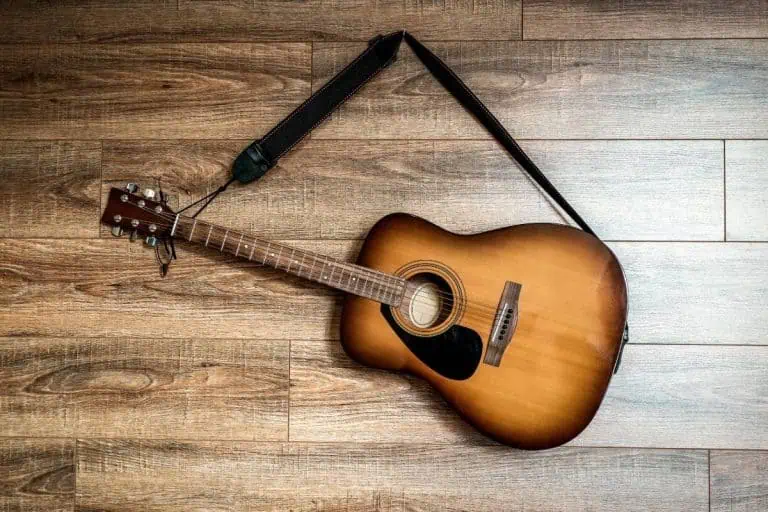
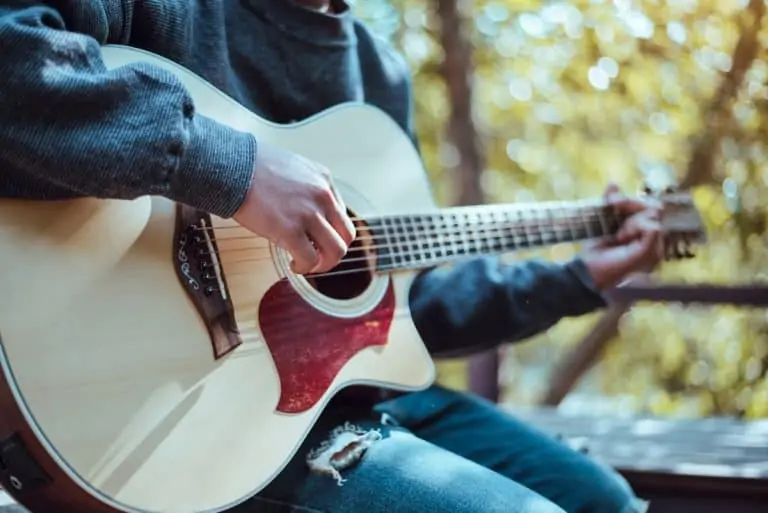
The best thing to do with an older acoustic guitar is usually to keep it a guitar: get a setup, repair what is worn, donate or sell it, convert it carefully, or hang it so you still play it. Furniture and craft projects make sense only after you know the instrument is unplayable or not worth repairing. The 10 ideas below follow that order, and they leave out chair and bar-stool projects because a guitar is not designed as seating.
Quick answer: Start with a setup or a repair estimate, then donate, sell, convert or hang the guitar if it can still be played. Use clocks, planters, wall art or salvaged parts only when the instrument is truly beyond a sensible repair. Do not turn a guitar into a chair or stool, and leave any wiring work to a qualified electrician.
What should you do with an older acoustic guitar first?
Start by asking whether it still plays, or could play after a setup or a repair. An older acoustic is often more useful as a guitar than as furniture. A setup, a modest repair, a donation or a simple wall hanger will usually beat cutting the body up on the first idea you see online.
If the instrument is truly unplayable, cracked beyond a sensible repair, or already in pieces, then decorative projects make sense. This list has 10 options in that order: keep it in use if you can, then display it, then upcycle it. It does not recommend turning a guitar into a chair or bar stool, because a guitar is not designed as seating.
Related: signs your guitar action is too high, why acoustic strings buzz and how to make an acoustic guitar electric.
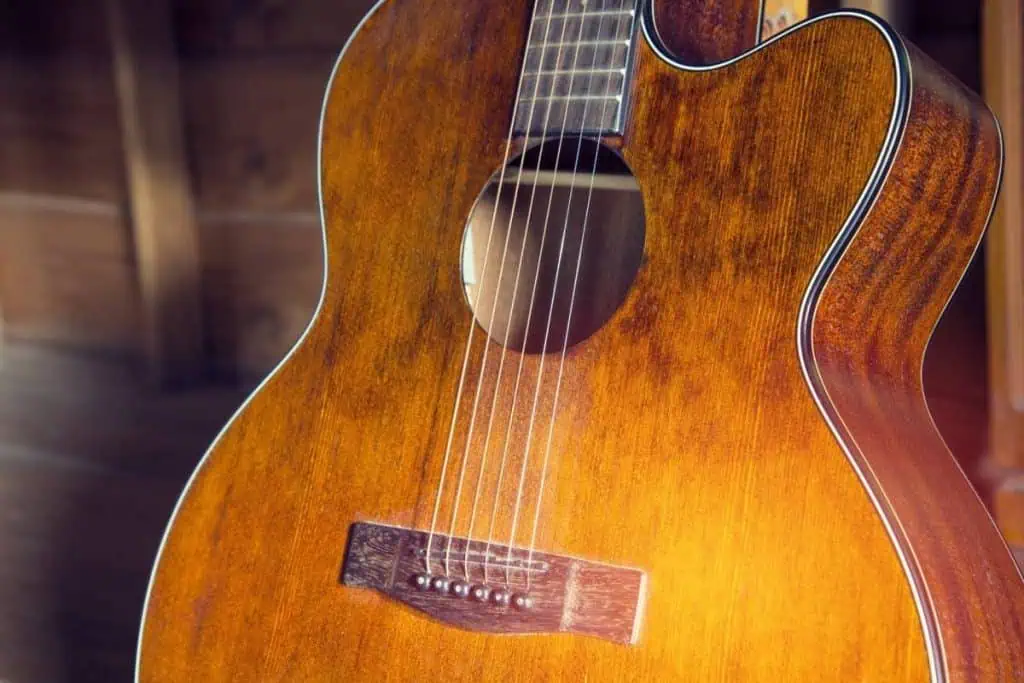
What are the 10 best things to do with an older acoustic guitar?
Use the first six ideas if the guitar can still be a guitar. Save the last four for instruments that are not worth repairing. That is a more useful reading of “older” than assuming every vintage-looking acoustic is broken and ready for a saw.
1. Get a setup and keep playing it
Many “old” guitars are just neglected: high action, old strings, a little neck relief, or buzzing saddles. A competent setup can make a forgotten acoustic enjoyable again, and it is almost always the first step before you donate, sell or convert it.
Check for high action and string buzz, then decide. A guitar that plays in tune and is comfortable to hold does not need to become a shelf.
2. Repair or restore what is worn
Loose tuners, a lifted bridge, a cracked bridge plate, a worn nut or a seam separation are repair jobs, not a reason to throw the guitar away. A good repair shop can tell you whether the work is cheaper than replacing the instrument.
Not every old guitar is a valuable vintage piece, and not every crack is worth a major restoration. Get an estimate first. If the repair costs more than a comparable playable guitar, skip ahead to donation or a decorative use.
3. Donate, sell or pass it to a beginner
A playable older acoustic is one of the better starter instruments you can give away, because the new player can focus on practice instead of fighting a brand-new budget guitar that was never set up. Schools, community music programs, friends and a honest local sale are all reasonable options.
Clean it, put on fresh strings and include a gig bag if you have one. Be honest about cracks, a bowed neck or buzzing frets. A gift that is unplayable is not a kindness.
4. Convert it to an acoustic-electric
If you like the guitar and want to play it through a PA or a small amp, a carefully chosen pickup is a practical upgrade. Our step-by-step guide to making an acoustic guitar electric and the pros and cons of acoustic-electric guitars cover the options, including methods that do not require routing the body.
Skip irreversible routing as a first home project, especially on a guitar you may later want to sell or restore. Soundhole, undersaddle and internal mic options are usually the safer starting points.
5. Use it as a beater, camp or practice guitar
An older acoustic is a good candidate for the car, the porch, the campfire or the room where you do not want to risk a nicer instrument. Keep it in a case or on a stand, wipe it down, and it can have a long second life as the guitar you actually pick up.
This is also a fair use for an instrument with cosmetic scars that do not affect tone. You get more music out of it than you would by hanging it out of reach and never playing it.
6. Hang it on the wall as a playable display
A wall hanger keeps the guitar visible, off the floor and ready to play, which is often better than a case you never open. Use a hanger made for guitars, put it on a stud or a solid mount, and keep the instrument away from heat vents, direct sun and damp walls. Our guide to keeping a guitar from getting dusty is useful if it will live out of a case.
This only works if the neck and headstock can take the weight of a proper hanger. If the guitar is structurally unsafe, do not hang it over a bed, a couch or a walkway.
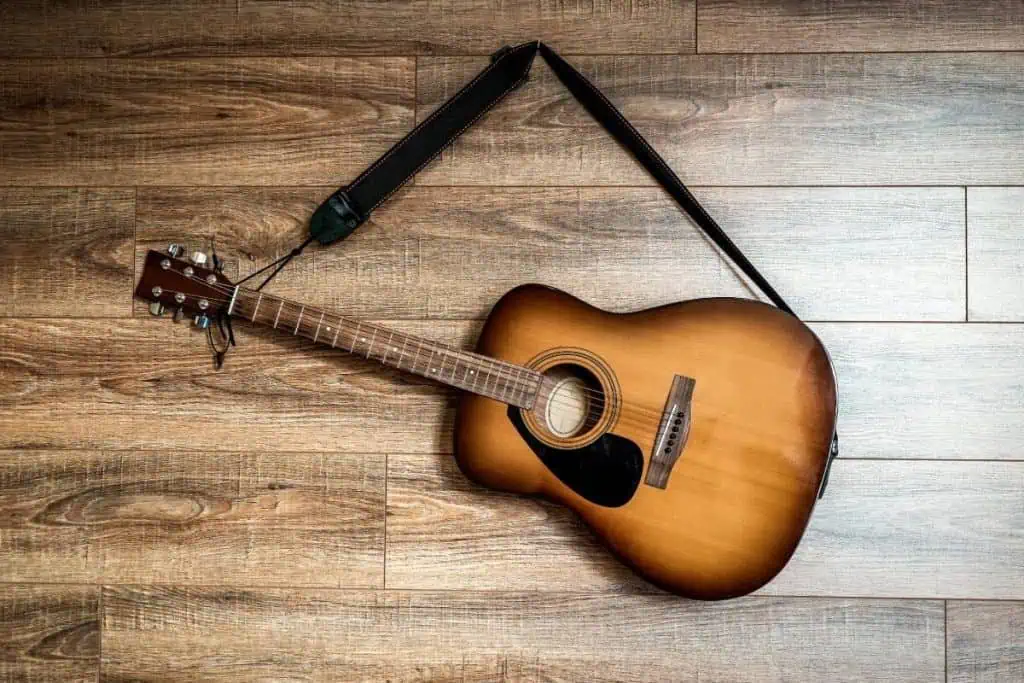
7. If it is unplayable, turn it into wall art or a display piece
Once a guitar is beyond a sensible repair, a clean wall display is the simplest upcycle. You can leave it intact, add a simple frame or mount, or use the body as a shadow box for picks, ticket stubs or photos.
Leave this for unplayable instruments. Cutting or drilling a guitar that could have been set up is a hard thing to undo, and it is usually a worse outcome than a $50 setup.
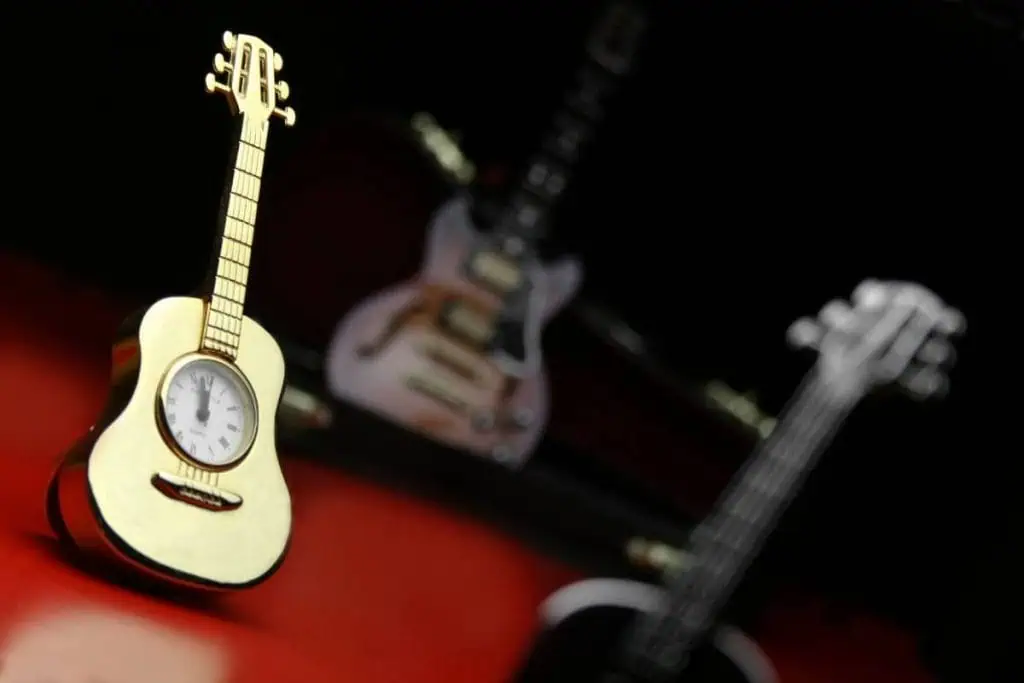
8. Make a clock from an unplayable body
A clock movement in an old soundhole is a common, compact project, and it does not ask the guitar to hold a person’s weight. Use a body that is already unplayable, mount the movement securely, and hang it like any other wall clock, with a real wall anchor.
This is a decorative use, not a way to “save” a valuable instrument. If you are unsure, ask a repair shop whether the guitar is worth fixing before you drill it.
9. Use a ruined body as a planter, with a moisture warning
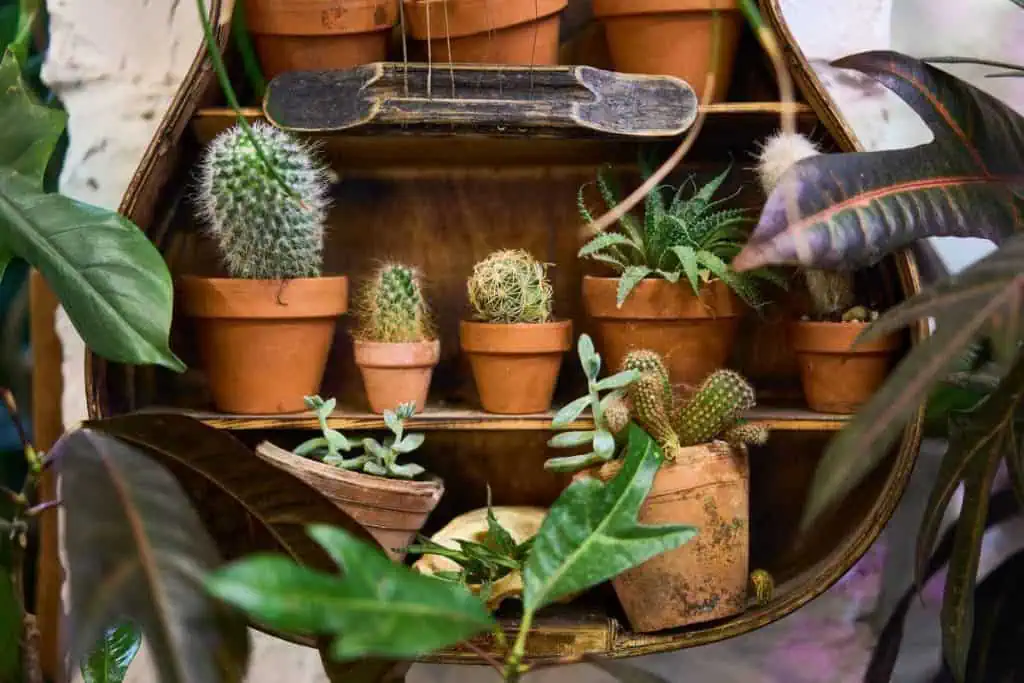
A guitar planter looks charming in photos, but soil and water will finish the destruction of the wood and any remaining finish. Only do this with an instrument you have already decided is scrap, use a plastic liner so water is not sitting in the wood, and expect the project to be temporary.
If you want a long-lasting display, wall art or a clock is the more durable choice. A planter is a last-resort craft, not a best first use.
10. Salvage the hardware and use leftover parts for simple crafts
Tuners, the tailpiece or bridge, a usable nut, straps and a case can often move to another guitar or a repair bin. Old strings and picks can become simple jewelry or keychain projects if you want a small craft, but the hardware is usually the more useful salvage.
Skip ideas that create a safety problem. A guitar-shaped chair or bar stool is not structural furniture. A wired lamp should only be considered on a scrap instrument, and the electrical work belongs with a qualified electrician, not a casual DIY tutorial.
How we researched this guide
The list was reordered so playable uses come first: setup, repair, donation, pickup conversion, a beater guitar and a wall hanger. Furniture-style upcycles were limited to unplayable instruments, and we dropped chair and stool projects as unsafe. Lighting was left only as a caution, not a featured how-to.
Sandy Music Lab is written by David Sandy, and our editorial policy explains how we work. If you spot an error, tell us and we will fix it. Related guides: make an acoustic guitar electric, acoustic-electric pros and cons and best acoustic guitars.
Older acoustic guitar FAQs
What should you do with an old acoustic guitar?
If it can still play, get a setup, repair it, donate it, sell it, convert it or hang it as a playable display. Craft projects should wait until the guitar is unplayable or not worth fixing.
Is it worth repairing an older acoustic guitar?
Often yes, if the repair is cheaper than a comparable playable guitar and the instrument is one you will use. Get an estimate before you authorize a major restoration.
Can you turn an acoustic guitar into an acoustic-electric?
Yes, and it is one of the more useful upgrades. Start with methods that do not require routing the body. See how to make an acoustic guitar electric.
Should you hang an old guitar on the wall?
Yes, if the guitar is structurally sound and you use a proper guitar hanger on a solid mount, away from heat, sun and damp. A wall hanger can keep a playable guitar in reach.
Can you make a planter or clock from a guitar?
Those are reasonable craft uses for an unplayable body. Line a planter so wet soil is not sitting in the wood, and treat both projects as decorative, not as a way to save a valuable instrument.
Is it safe to turn a guitar into a chair or lamp?
A guitar-shaped chair or stool is not safe seating. A wired lamp should only be considered on a scrap instrument, and the electrical work belongs with a qualified electrician.
Should you donate a damaged guitar?
Donate it if it is playable, or if the recipient knows the condition and wants it for parts or a project. An unplayable guitar given as a beginner instrument is not a helpful gift.
When is a guitar too far gone to play?
When a repair shop says the cost or structural damage is not worth fixing, or when cracks, a failed neck joint or a collapsing top make it unsafe to string to pitch. That is the point to consider display or salvage.