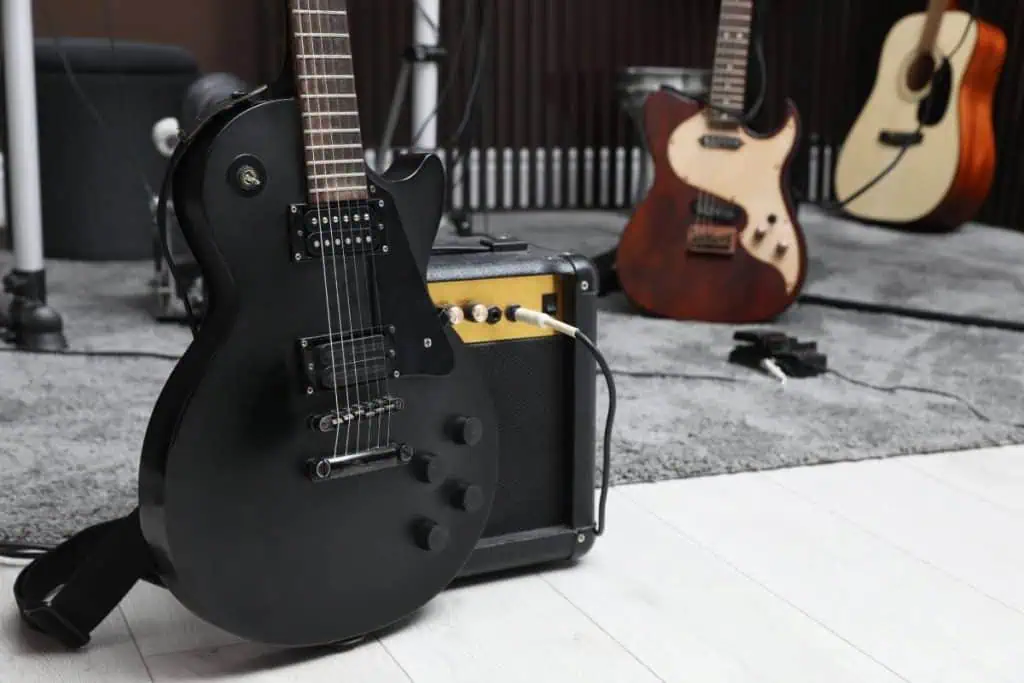
Learning how to choose a guitar amp comes down to five questions: what technology you want (tube, solid state or modeling), how loud you really need to play, whether you want a combo or a head and cab, what your budget is, and what styles you play. This guide walks through each one in plain language, so by the end you know which kind of amp fits you, and which of our guitar amp buying guides to read next.
🎸 Free download
Not sure which guitar is right for you?
Get the free Guitar Gear Cheat Sheet: match your style, budget and hands to the right guitar in 2 minutes. You’ll also get my 30-Day Practice Plan as a bonus.
Send My Cheat Sheet →An amp is half of your electric guitar sound. The same guitar can sound thin and fizzy through one amp and warm and full through another, so it is worth taking a few minutes to understand the choices before you buy. If you are brand new, start with the first two sections; if you already own an amp and want to upgrade, skip to the budget and genre sections.
How to Choose a Guitar Amp: Tube vs Solid State vs Modeling
Every guitar amp uses one of three core technologies, plus hybrids that mix them. This is the first decision when you choose a guitar amp, because it shapes the tone, weight, maintenance and price of everything else.
| Type | How it works | Strengths | Trade-offs | Best for |
|---|---|---|---|---|
| Tube (valve) | Vacuum tubes in the preamp and power amp shape and boost the signal | Touch-sensitive dynamics, smooth natural breakup, classic rock and blues feel | Heavier, needs warm-up, tubes wear out, sounds best at higher volume | Players who gig or record and want classic tone |
| Solid state | Transistors and integrated circuits instead of tubes | Light, reliable, low maintenance, very clean headroom | Distortion can sound harsher on cheaper models | Clean tones, jazz, pedal platforms, practice |
| Modeling (digital) | A processor recreates many amps, cabinets and effects in software | Huge range of sounds, presets, headphone and USB recording | Menus, feel can differ from a real tube amp at volume | Beginners, home players, recording, cover bands |
| Hybrid | A tube preamp with a solid-state power amp, or the reverse | Some tube character at lower cost and weight | Neither fully one thing nor the other | Players who want a middle ground |
We dig deeper into this in tube vs solid state vs modeling amps, and if modeling is where you are leaning, our guitar amp modeling guide explains profiles, captures and IRs. For a technical background on amp circuits, the Wikipedia guitar amplifier article is a solid reference.
Watts, Speakers and Volume: Home, Apartment or Gig
Wattage is the spec most beginners over-buy. A tube watt is perceived as louder than a solid-state watt, and doubling the wattage does not double the volume. What you really need depends on where you play:
- Apartment and late-night practice: 1 to 20 watts, or any amp with a headphone output. See amps that work in apartments and our headphone amp guide.
- Home practice and jamming with friends: roughly 15 to 40 watts solid state or 5 to 20 watts tube. Browse amps for home use.
- Gigging with a drummer: about 50 to 100 watts solid state or 20 to 50 watts tube, unless the venue mics your amp. Our gigging amp guide covers stage-ready options.
Speakers matter as much as watts. A 12-inch speaker generally sounds fuller in the low end than an 8 or 10-inch one, and the speaker model itself colors the tone. Protect your ears at any volume: the NIDCD guide to noise-induced hearing loss explains how loud is too loud and for how long.
If you love a loud tube amp but live with neighbors, a load box or attenuator lets you run it hard at lower volume. Read load box vs attenuator before you buy one.
Combo vs Head and Cab
A combo puts the amplifier and speaker in one box: easy to carry, nothing to connect, and the right choice for most players. A head and cab splits them, so you can pair any amp head with any speaker cabinet, swap cabs for different rooms, and move heavy gear in two trips. The catch is more cost and more to set up, and with a tube head you must always connect a speaker cable (not an instrument cable) and match the impedance before powering on, as the owner’s manual will explain.
Budget Tiers: What You Gain at Each Level
Rather than quoting prices that change every month, here is what usually improves as you move up, with links to the guide for each budget range:
| Budget range | What you typically get | Guide |
|---|---|---|
| Entry level | Small solid-state or modeling practice amps, headphone outs, built-in effects | under $50, under $100, under $150 |
| Step-up | Larger speakers, better modeling, apps and USB recording, small tube amps | under $200, under $300, under $400 |
| Mid-range | Gig-worthy tube combos and flagship modelers | under $500, under $1000 |
| High end | Boutique tube amps, pro modelers and premium heads | under $1500, under $2000 |
Just starting out? Our beginner amp guide focuses on amps that are easy to dial in and fun to practice with.
Amps by Genre: Jazz, Metal, Blues and Rock
- Jazz: lots of clean headroom and a warm, round tone. Solid-state amps often shine here. See the best amps for jazz.
- Metal: high gain that stays tight, a strong low end and a usable noise gate. See our metal amp guide.
- Blues and classic rock: touch-sensitive breakup where your picking hand controls the dirt. Tube amps are the classic choice. See amps for blues and rock recording.
- Acoustic guitar: a regular guitar amp is not ideal for an acoustic pickup. Read electric guitar amp vs acoustic amp first.
Headphone Amps, Modelers and Plugins
You do not always need a speaker at all. Desktop and floor modelers, amp modeler pedals, and software let you play through headphones or straight into a computer. If you are comparing capture-based systems, our NAM vs TONEX breakdown helps. For laptop rigs, see guitar VSTs and plugins and guitar effects software.
Recording an Amp at Home
There are three common ways to record: put a microphone in front of the speaker, use the amp’s direct or USB output with a cab simulation, or record a clean DI signal and add an amp plugin later. The Sweetwater InSync guitar amp guide has a good overview of amp features, and our home recording studio setup guide shows the full signal chain.
Quick Checklist: How to Choose a Guitar Amp in 5 Steps
- Decide where you will play most: headphones, bedroom, rehearsal or stage.
- Pick a technology: tube for feel, solid state for reliability, modeling for variety.
- Choose combo or head and cab.
- Set a budget range and open the matching guide above.
- Play-test if you can, using your own guitar and the settings you actually use.
How to Choose a Guitar Amp: FAQ
What type of amp is best for a beginner?
A small solid-state or modeling combo is the easiest place to start: it is light, affordable, works at low volume and usually includes a headphone output and built-in effects.
How many watts do I need for a guitar amp?
For home practice, 10 to 30 watts is plenty. For gigs with a drummer, look at about 50 watts or more for solid state, or 20 watts or more for tube, unless the amp is miked through the PA.
Are tube amps better than solid-state amps?
Not better, just different. Tube amps are prized for their dynamic breakup, while solid-state amps are lighter, more reliable and cleaner. Modern modelers come close to both.
Can I use a guitar amp for an acoustic guitar?
You can, but an acoustic amp reproduces an acoustic pickup more naturally. Electric guitar amps tend to color the sound.
Now that you know how to choose a guitar amp, start with our main best guitar amps guide and narrow it down from there.