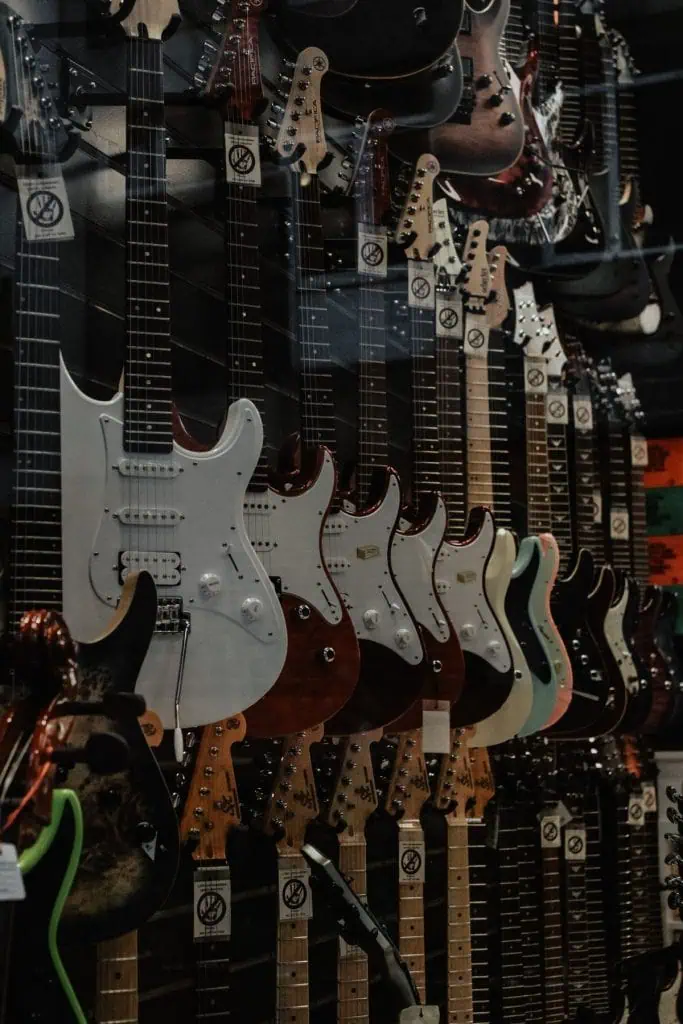
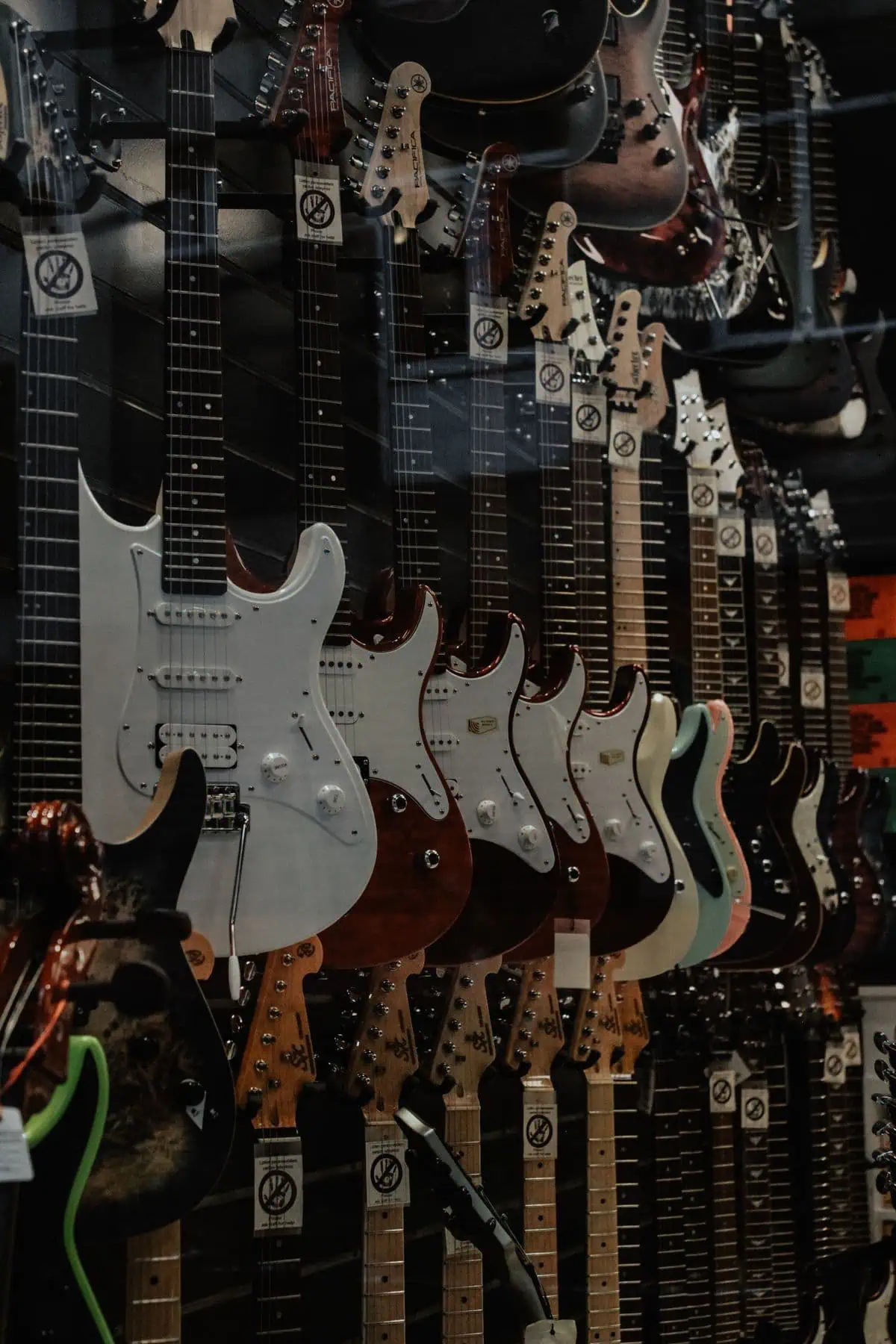
If you are hunting for the best rhythm guitars, you are really asking which guitar will make your strumming, chord work and groove playing feel effortless night after night. The rhythm guitarist is the engine of almost every band: you keep time, you outline the harmony, and you give the singer and the lead player a solid floor to stand on. A guitar built for that job should be comfortable for long sets, hold its tuning, and sound full and balanced when you play open chords and barre shapes.
New to this? Read How to Choose an Electric Guitar: A Complete Guide first for the basics, then use the picks below.
In this guide we have narrowed the field to five real, currently sold guitars that are among the best rhythm guitars across acoustic, solid-body and hollow-body styles. Each pick below includes honest pros and cons, a quick comparison table follows the reviews, and a buying guide at the end explains how to choose. If you are still learning your first shapes, pair this guide with our lesson on beginner guitar chords and our list of easy guitar songs for beginners.
Related: why are electric guitar bodies, necks, and frets small and what to do when your electric guitar sounds muffled. Our electric guitar buying guide covers the basics in one place.
Prices and availability on Amazon change often, so treat the figures we mention as ballpark guides and check the current listing before you buy. As an Amazon Associate we may earn a commission from qualifying purchases, at no extra cost to you.
How We Chose the Best Rhythm Guitars
We started with guitars that real players buy and that are on sale today, then judged each one on the qualities that matter when choosing the best rhythm guitars for a rhythm player. Comfort came first, because a guitar that hurts to hold will not get played. Next we looked at tonal clarity: when you strum a full chord, every string should be heard without one note drowning out the rest. We also weighed build quality, tuning stability, versatility across musical styles and overall value. Finally, we mixed acoustic, solid-body and hollow-body designs so that there is a strong option whatever your genre or budget when shopping for the best rhythm guitars.
Remember that no list can replace playing a guitar in person. If you can, visit a local shop and strum a few of these models. Pay attention to how the guitar feels against your body, how the neck sits in your fretting hand and whether the tone makes you want to keep playing. That gut reaction is usually the best guide to the best rhythm guitars for you.
Best Rhythm Guitars: Our Top 5 Picks
Here are the five best rhythm guitars we recommend for strumming and chord work, from an affordable acoustic workhorse to a classic hollow-body with a vintage voice.
1. Yamaha FG830: Best Acoustic Rhythm Guitar for the Money
The Yamaha FG830 is the guitar we point most strummers toward. It is a full-size dreadnought with a solid spruce top, and that solid top is the secret: it projects a big, even chord sound that fills a room and keeps getting richer as the wood opens up with playing. The rosewood back and sides add warmth to the low end, which is exactly what you want when you are driving a song with open chords. Expect to pay in the neighborhood of $450.
- Pros: solid spruce top at a modest price; loud, balanced dreadnought voice; comfortable, familiar neck; excellent value and resale.
- Cons: no built-in pickup, so you will need a soundhole pickup or a mic for gigs; the large dreadnought body can feel bulky for smaller players; a professional setup can improve the action.
2. Fender Player II Telecaster: Best Solid-Body Rhythm Guitar
A Telecaster is the classic rhythm machine, and the Fender Player II Telecaster brings that tradition up to date. The bright, punchy single-coil pickups cut through a band without turning muddy, the modern C-shaped neck is easy on the fretting hand, and the simple controls make it fast to dial in a clean chime or a crunchy rhythm tone. It is built in Mexico and typically lands around the $850 mark.
- Pros: iconic snap and clarity for chords; comfortable neck; reliable hardware and tuning stability; works for country, rock, pop and worship.
- Cons: single-coils can hum in noisy rooms; the bright voicing may be thin for players who want a thick, heavy tone; higher price than entry-level models.
3. Epiphone Casino: Best Hollow-Body for Vintage Rhythm Tones
If your idea of rhythm guitar is jangly, woody and a little raw, the Epiphone Casino deserves a spot on your shortlist. This thin hollow-body carries two P-90 pickups that deliver a throaty, articulate sound with plenty of bite on chords, and the shorter scale length makes full chords and bends feel relaxed. The Casino has a long history with classic British rock rhythm work, and it still sounds the part. If you want more rock-ready options, see our guide to the best rock guitars. Street price is usually around $700.
- Pros: warm, airy hollow-body resonance; two P-90s with real character; shorter scale length is easy on the hands; stunning vintage looks.
- Cons: prone to feedback at high gain and loud volumes; a hollow body is less suited to heavy distortion; stock hardware may reward an upgrade.