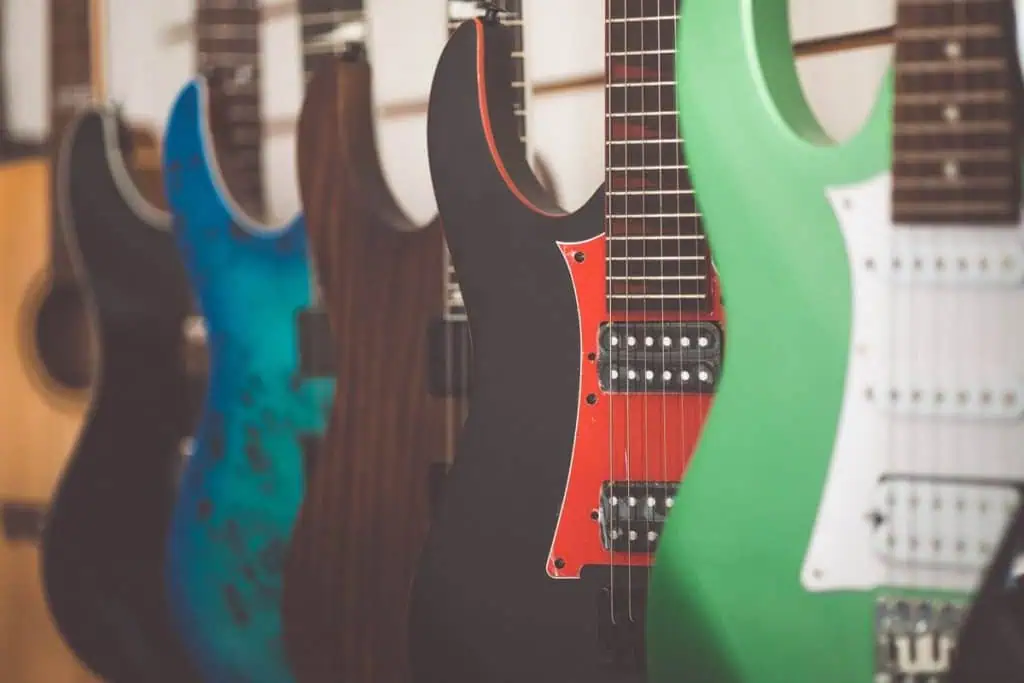
The best sounding guitars are not always the most expensive ones. Tone comes from a mix of tonewoods, construction, pickups, setup and, most of all, how a guitar responds under your hands. In this guide we picked four instruments that sound great for their price and cover the most common styles: a budget solid-top acoustic, a stage-ready acoustic-electric, a classic rock humbucker guitar and a versatile single-coil workhorse.
New to this? Read How to Buy a Guitar: Your First Guitar Buying Guide first for the basics, then use the picks below.
If you only have a minute, here is the short version of our best sounding guitars list. The Yamaha FG800 gives the best sound per dollar, the Martin D-10E is the pick for rich acoustic tone with electronics, the Epiphone Les Paul Standard 60s delivers thick, sustaining rock tone, and the Fender Player II Stratocaster covers clean, bright and bluesy sounds. Below you will find honest pros and cons, a comparison table, and a buying guide so you can choose the right one for your ears and budget.
Related: best small guitars, best mini guitars, and best mid range guitars. New to this topic? Start with our guide to the best guitar brands.
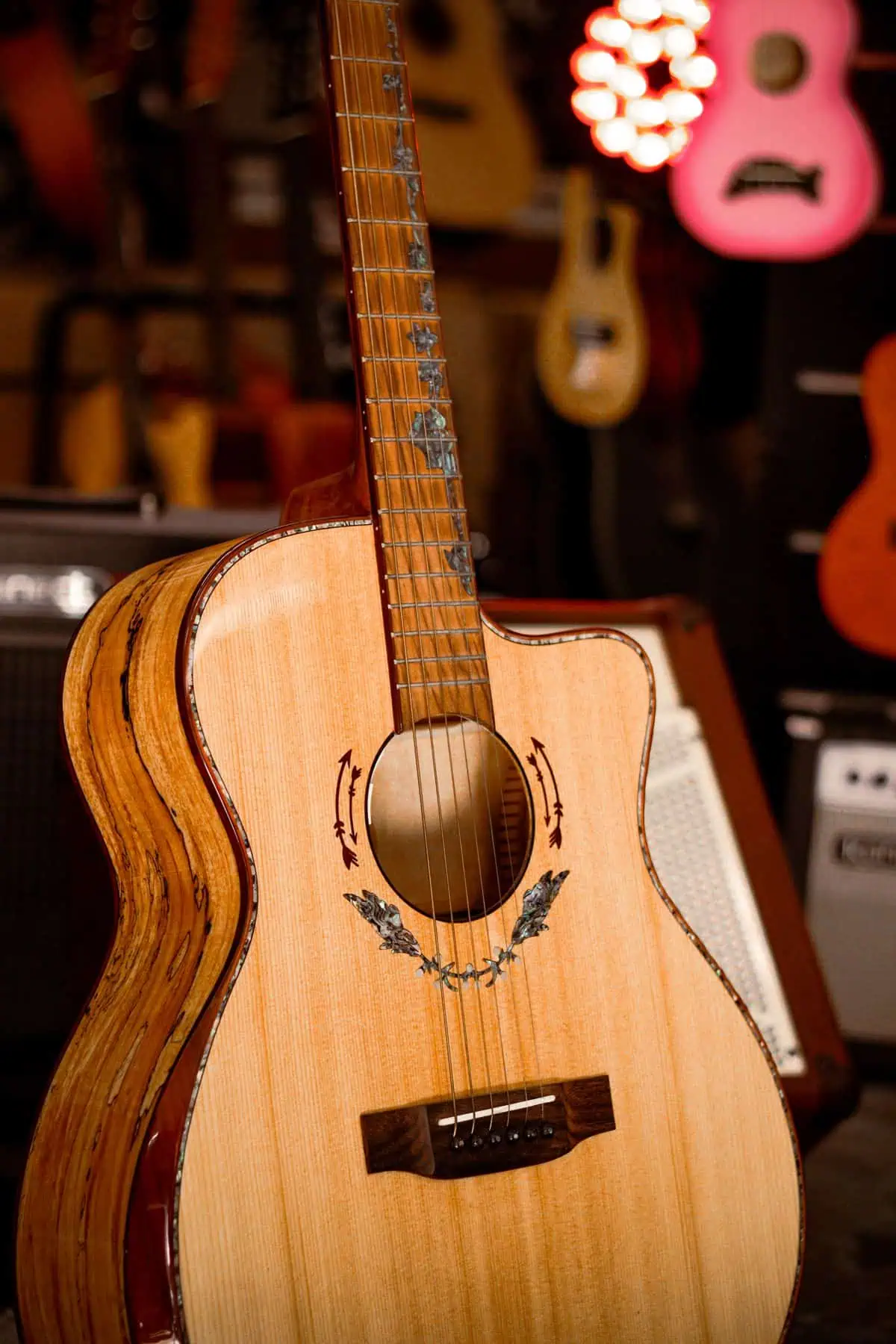
Video: a helpful look at acoustic guitars worth buying, from Driftwood Guitars.
How We Chose the Best Sounding Guitars
Sound is subjective, so we looked for objective reasons a guitar sounds good. We prioritized solid tonewoods on acoustics, quality pickups on electrics, good tuning stability, and a track record of happy players. We also kept value in mind, because a guitar that sounds great but is out of reach does not help most readers. Prices below are approximate and can change, so check the current listing before you buy.
Want to keep your new guitar sounding its best? Pair it with fresh acoustic guitar strings or electric guitar strings, and a reliable guitar tuner.
Best Sounding Guitars: Our Top 4 Picks
1. Yamaha FG800 – Best Sounding Acoustic Under $300
The Yamaha FG800 has been a favorite budget acoustic for years, and it earns that reputation. It pairs a solid Sitka spruce top with nato/okume back and sides in a classic dreadnought body. Yamaha uses scalloped bracing, which lets the top vibrate freely and gives the guitar a surprisingly full, warm voice. Strummed chords ring clearly, and fingerpicked notes have good definition. For around $280, it is hard to find a solid-top guitar that sounds this balanced.
It is also an excellent first guitar, because the neck is comfortable and the build quality is consistent. Players who outgrow it often keep it as a travel or couch guitar.
Pros
- Solid spruce top at a very low price
- Warm, balanced dreadnought tone
- Consistent build quality and easy playability
- Great for beginners and as a backup guitar
Cons
- No built-in pickup or electronics
- Laminated back and sides limit depth compared with pricier guitars
- Basic appointments and gloss finish dampen some resonance
2. Martin D-10E Retro Road Series – Best Sounding Acoustic-Electric
Martin is the benchmark for dreadnought tone, and the D-10E brings that sound to a more accessible price. The listing describes a solid spruce top with solid sapele back and sides, a satin finish and built-in E1 electronics with a tuner. Spruce and sapele together give crisp highs, a tight low end and strong projection, which is exactly what you want for strumming and flatpicking.
Plugged in, the E1 system keeps the tone natural enough for small gigs, worship settings and coffeehouse sets. It also comes with a softshell case, which is a nice extra. At about $1,000, it is the most expensive guitar here, but it is also the one that sounds most like a professional acoustic.
Pros
- Solid spruce top and solid sapele back and sides
- Classic Martin dreadnought projection
- Built-in E1 electronics with tuner
- Softshell case included
Cons
- Highest price of our four picks
- Satin finish shows wear over time
- Stock supply can be limited