To buy your first guitar, choose the type that fits the music you want to play, make sure the size fits your body and hands, and set a budget that still leaves room for a tuner, strap, case and a setup. A playable, well-set-up beginner guitar matters more than a famous name or fancy wood.
Quick answer: Start with acoustic, electric or classical based on the music you love. Electrics are usually easier on the fingers but need an amp or headphone amp; steel-string acoustics and nylon-string classics need no amp. Try the guitar seated: you should reach the first fret and strum without strain. Buy from a seller with a fair return policy, and budget for a setup. For model lists, start with best beginner guitars, best starter guitars and acoustic vs electric for beginners.
Disclosure: some links in this guide are affiliate links. As an Amazon Associate, Sandy Music Lab earns from qualifying purchases at no extra cost to you, and commissions never decide which products make a list. See our editorial policy.
🎸 Free download
Not sure which guitar is right for you?
Get the free Guitar Gear Cheat Sheet: match your style, budget and hands to the right guitar in 2 minutes. You’ll also get my 30-Day Practice Plan as a bonus.
Send My Cheat Sheet →Which guitar should you buy first: acoustic, electric or classical?
Buy the type that plays the music you want to hear yourself play. Motivation keeps beginners practicing, and a guitar that cannot make those sounds is harder to stick with. The three common first choices are a steel-string acoustic, an electric, or a classical nylon-string guitar. Specialty types such as the 12-string guitar usually work better as a second instrument, because the doubled strings add a lot of tension.
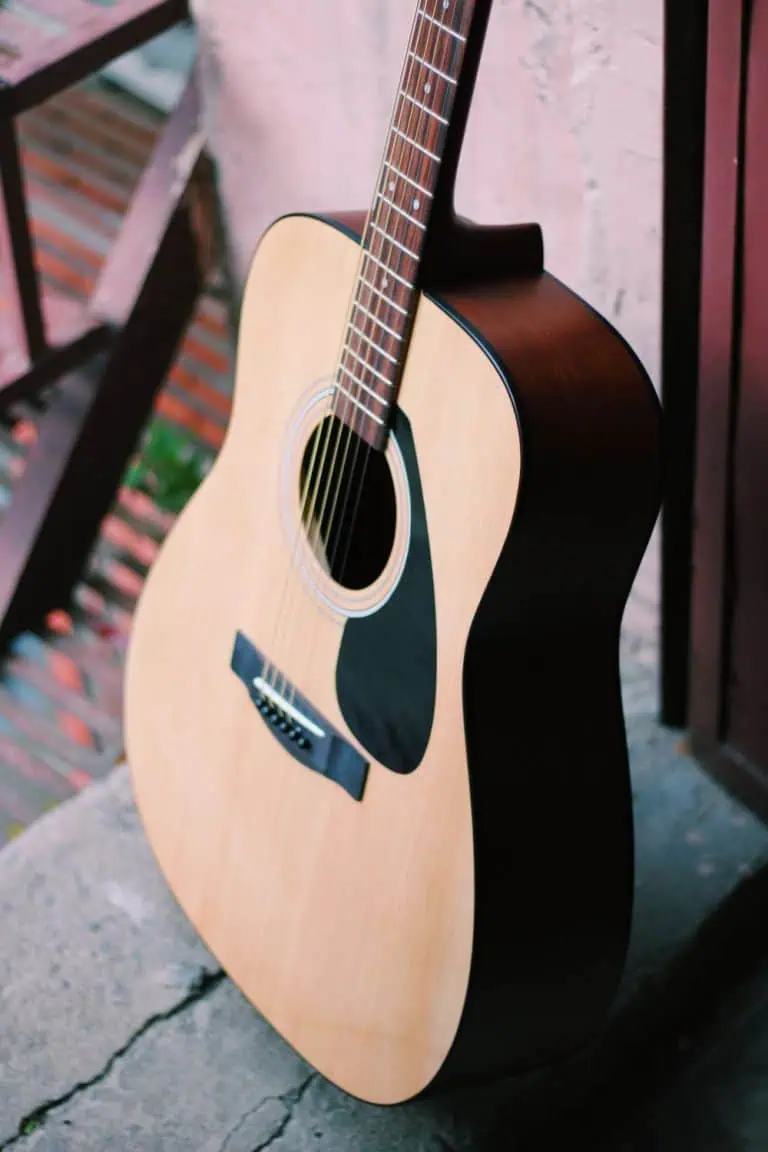
A steel-string acoustic is loud and needs nothing else to make sound, which suits singer-songwriters, folk, country, worship and campfire strumming. The trade-off is feel: steel strings at acoustic tension are harder to press, so fingertips are often sore at first. An electric usually has lighter strings, a slimmer neck and lower action, so many beginners find it physically easier, but you need an amp or headphone amp and a cable. A classical guitar uses softer nylon strings and a wider, flatter neck; it is gentle on the fingers and suits classical, flamenco, bossa nova and some fingerstyle, though the wide neck can feel like a stretch for small hands.
| Type | Best for | Feel for a beginner | Extra gear needed |
|---|---|---|---|
| Steel-string acoustic | Strumming, folk, country, worship, singer-songwriter | Firmer strings, sore fingertips at first | None to make sound |
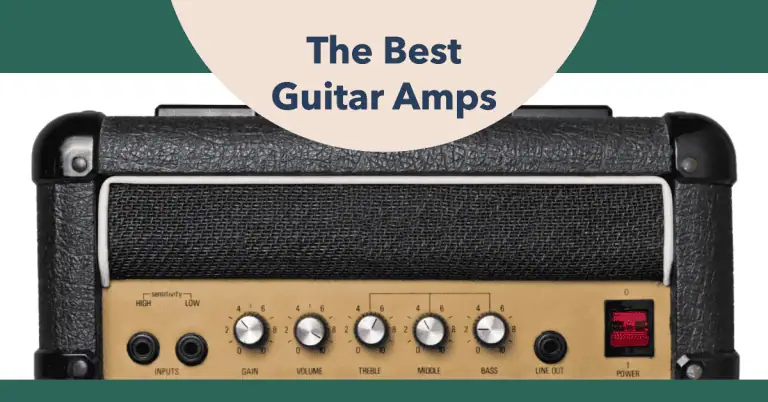
| Electric | Rock, blues, pop, metal, funk | Light strings, slim neck, easier bends | Amp or headphone amp, and a cable |
| Classical / nylon | Classical, flamenco, fingerstyle, young kids | Softest strings, wider neck | None to make sound |
If you are torn, read acoustic vs electric guitar for beginners and classical vs acoustic for a child. When you are ready for models, see best beginner guitars and best starter guitars.
How should a first guitar fit your body and hands?
A guitar that is too big makes every chord a fight. Fit comes down to body size, scale length and neck shape. You should be able to sit with the guitar, reach the first fret without leaning hard, and let your strumming or picking arm drape over the body without strain.
Full-size dreadnought and jumbo acoustics are deep and wide. If you are short, slim or a child, a parlor, concert, 3/4-size or travel body is often easier to reach around. Electrics are thinner, so body size matters less, but weight still matters if you practice standing up. Scale length is the vibrating length of the string from nut to saddle; a shorter scale puts the frets closer together and lowers tension, which is why short-scale and 3/4-size guitars help many kids and players with small hands.
Children often start on 1/2 or 3/4 size, and many teens can handle full size, but the guitar in the player’s lap is the real test. See best guitars for kids, best guitars for small hands, best small guitars and best left-handed guitars.
How much should you spend on a first guitar?
Spend enough to get a guitar that stays in tune and can be set up comfortably, plus money for a tuner, strap, case and a setup. You do not need a luxury instrument to learn, but the very cheapest guitars often have high action, rough tuners and sharp fret ends that make playing harder than it should be.
Prices change, so think in tiers rather than one magic number. Starter guitars get beginners playing, often with laminate tops and basic hardware, and they may need a setup. Mid-range instruments, including many solid-top acoustics, are usually more consistent and stay useful longer. High-end guitars are for players who already know what they want. For most adults who plan to practice regularly, the sweet spot is the top of the starter tier or the bottom of the mid-range.
| Tier | Who it suits | What you get | What to watch for |
|---|---|---|---|
| Starter | Complete beginners, kids, or anyone not sure they will stick with it | Laminate tops, basic hardware, a factory setup | High action, poor tuning stability, sharp frets |
| Mid-range | Committed beginners and improving players | Solid tops on many acoustics, better tuners and more consistent build | Paying for looks instead of playability |
| High-end | Experienced players who know what they want | Premium materials, careful work, better resale | More guitar than you need for learning |
Browse best budget guitars, best guitars under $500, best mid-range guitars and best intermediate guitars. Brand matters less than the individual guitar and its setup, but established brands often have better quality control and easier returns. See best guitar brands. For why some cheap guitars fight you, see why cheap guitars sound bad.
How does the neck affect a first guitar?
Two guitars with the same body can feel different because of the neck. Nut width is how wide the neck is at the first fret: narrower necks can make chords easier for small hands, while wider necks give more room between strings. The profile is the back-of-neck shape, from slim C shapes to chunkier U or D shapes.
Action, the string height, also changes how hard the guitar is to play. Low action is easier to press; too low causes buzz. A good setup can improve action on many guitars, but it cannot turn a badly made neck into a great one. If you can, hold a few guitars and notice which neck your hand relaxes on. If you are buying online, compare nut width and profile in the specs.
Our guides to best thin neck guitars and best wide neck guitars group models by feel.
Should your first guitar be a travel or mini guitar?
It can be, if you need a smaller body or a shorter scale, but know the trade-offs. Travel and mini guitars fit in tight spaces and can be great for kids or as a second guitar. A very small acoustic often has less bass, and a very short scale can feel different when you later move to a standard instrument.
If a travel guitar will be your only guitar, choose one with a scale length as close to full size as you can comfortably play. Then you get the portability without an extreme change in string tension and fret spacing. See best travel guitars and best mini guitars.
Should you buy a new or used guitar?
Either can be a good first guitar if you inspect it and get a setup. A new guitar usually comes with a warranty and a return window. A used guitar can be better value, because a well-cared-for instrument does not wear out quickly, but private sales may have no returns.
In a shop, at a sale, or the day an online order arrives, check these things. Sight down the neck for a twist or a big bow. Press chords at the first fret and around the 12th; painful action may need a setup, or more serious work on an older acoustic. Play every string at several frets for buzz. Tune the guitar and see whether it holds pitch. Look for cracks, separating bindings, sharp fret ends, rusty hardware and worn or missing parts.
Budget for a professional setup if the seller does not include one. It is often the cheapest upgrade a first guitar can get.
Where should you buy a first guitar, and what else do you need?
A local shop lets you compare guitars side by side and often includes or offers a setup. Large online retailers have more choice, but you need a fair return window and should inspect the guitar the day it arrives. Used marketplaces can be a bargain, but bring a tuner and the checklist above, or a friend who plays.
Whatever you choose, ask what happens if something is wrong in the first weeks. Then budget for the small items that make the first month easier: a clip-on tuner or tuner app, a few medium picks if you want them, a strap, a case or gig bag, spare strings, and, for an electric, an amp or headphone amp and a cable. For picks, see should beginner guitar players use a pick.
Once the guitar is home, how to learn guitar by yourself and beginner guitar chords will get you playing. More specialized roundups include best Japanese guitars, best looking guitars and guitars under $500.
| Decision | Simple rule |
|---|---|
| Type | Match it to the music you want to play |
| Size | You should reach the first fret and strum without strain |
| Budget | Top of the starter tier or bottom of mid-range for most adults |
| Neck | Choose the one your hand relaxes on |
| New or used | Either works; inspect it and get a setup |
| Extras | Tuner, picks, strap, case, spare strings, plus an amp and cable for electric |
What is the Average Price of a Guitar?
Most beginners spend about $150 to $500 on a first guitar, and a decent new guitar starts near $200 to $300. For example, Fender lists the Squier Sonic Stratocaster at $249.99, and Yamaha lists the FG800 acoustic at $279.99. Prices go into the thousands for American-made and handmade guitars, such as the Martin D-28 at $3,099.99 to $3,699.99.
How Much Does a Guitar Cost?
A guitar costs about $150 to $500 for a good beginner model, $500 to $1,500 for a step-up model, and $1,500 or more for professional and handmade guitars. These tiers are a rough guide I use at Sandy Music Lab, not an official statistic. The table adds real list prices from the makers so you can see where models fall:
| Tier | Rough price | Real example (list price) | What you get |
|---|---|---|---|
| Entry level | About $150-$300 | Squier Mini Stratocaster at $199.99, Squier Sonic Stratocaster at $249.99, Yamaha FG800 at $279.99 | Playable, with simpler hardware and electronics |
| Mid range | About $300-$1,000 | See our best acoustic guitars under $500 and best electric guitars under $1000 | Better hardware, tone and finish |
| Upper range | About $1,000-$3,000 | Martin D-18 at $2,599.99 to $3,199.99 | Solid woods, better fretwork and tone |
| Premium | $3,000 and up | Martin D-28 at $3,099.99 to $3,699.99 | All-solid construction and handmade details |
Sources: Fender and its 2026 product announcement, Yamaha, and Martin. Prices change, so check the maker or a retailer before you buy.
What Is a Good Price for a Beginner Guitar?
A good price for a beginner guitar is whatever buys a guitar that stays in tune, has low action and feels comfortable to play. For most people that means about $150 to $500. Spending less often gives you a guitar that is hard to play, and that is a common reason beginners quit. Spending more rarely helps in the first months. For ideas, see our best beginner guitars.
Acoustic vs Electric: Which Costs More?
Entry-level electric guitars can cost a little less than acoustics, but you also need an amp. Acoustics need no amp. This table shows what you must budget for:
| Acoustic | Electric | |
|---|---|---|
| Guitar | Yamaha FG800 at $279.99 | Squier Sonic Stratocaster at $249.99 |
| Amp | Not needed | Needed (a small practice amp is enough) |
| Other gear | Tuner, strap, picks, spare strings | Tuner, cable, strap, picks, spare strings |
| Typical starter cost | The guitar plus a tuner and picks | The guitar plus an amp, cable and tuner |
You can tune with Sandy Music Lab’s free online guitar tuner, which saves you buying a clip-on tuner at first. See what you need to play electric guitar for a full gear list, and how much an electric guitar costs for electric prices.
Why Do Guitar Prices Vary So Much?
Prices rise with the build, wood, hardware, electronics and where the guitar is made. The main factors are:
| Factor | Why it changes the price |
|---|---|
| Solid vs laminate wood | Solid wood tops usually cost more than laminate. The Yamaha FG800 has a solid spruce top. |
| Where it is made | Handmade or US-made guitars cost more to build |
| Hardware and electronics | Better tuners, pickups and preamps cost more |
| Finish and fretwork | Better finishing and fret dressing take labor |
| Brand and model | Brand names, limited runs and signature models add to the price |
For a longer look at the “worth it” question, read Squier guitars: are they good?
Should You Buy a Used Guitar?
Yes, a used guitar can be better value than a new one at the same price, especially above $300. Check that the neck is straight, the frets are not worn flat, the action is not high, the tuners turn smoothly, and an electric’s pots and jack are not scratchy. On an acoustic, look for cracks, a bulging top and a lifted bridge. If you are not sure, take a player or a tech with you.
Is a $100, $500 or $1,000 Guitar Good?
| Budget | Is it enough? | What to know |
|---|---|---|
| $100 | Only just | Very cheap guitars often have high action and poor tuners. Consider a used guitar, or save toward about $200. |
| $500 | Yes | You can find a solid beginner or step-up guitar, new or used. |
| $1,000 | Yes, for most players | You can buy a good mid-range acoustic or electric. It is more than a beginner needs. |
How Much Should You Spend If You Are Not Sure You Will Keep Playing?
Spend toward the low end, about $150 to $300, and buy from a store with a return policy. If you play regularly for a few months, you can upgrade later. Many players keep the first guitar as a spare.
Related Posts:
- How To Identify A Fender Custom Shop Guitar (Serial Numbers)
- The Many Hand Signals Used At Rock Concerts (Rock On)
- Squier Guitars: Are They Good? The Epic Guide
- What Do You Need To Play Electric Guitar? (Essential Gear & Equipment )
- How To Tune Electric Guitar
- Biggest Concert Ever, Biggest Concert In History, Largest Concert Ever
- How Much Is an Electric Guitar? [Cost, Price Guide]
- Best Guitar Blogs & Websites To Follow
- Best Music Blogs & Websites
- How To Tune Your Guitar A Half Step Down
- Beginner Guitar Chords: 12 Chords (Easiest, Basic)
- Best Electric Guitars
- Best Acoustic Guitars
- Best Acoustic Guitars Under $500
5 Reasons Why Acoustic Guitars Are So Expensive
While it’s definitely possible to get an inexpensive guitar that gets the job done, especially as a beginner, high-quality acoustic guitars mostly tend to be expensive. This fact is particularly true for acoustic guitars that are geared towards highly-skilled seasoned musicians. Some price tags might be baffling for someone who’s just getting familiar with the acoustic guitar world, so you’ll probably wonder why quality acoustic guitars are so expensive.
How Much More Does an Expensive Acoustic Guitar Cost?
An expensive acoustic costs about ten times as much as a beginner model, and the difference is mostly in the materials and where it is built. As two real examples: Yamaha lists the FG800 at $279.99, and Martin lists its D-28 at $3,099.99 to $3,699.99. This table compares them:
| Yamaha FG800 | Martin D-28 | |
|---|---|---|
| List price | $279.99 | $3,099.99 to $3,699.99 |
| Top | Solid spruce | Solid spruce |
| Back and sides | Nato/okoume | Solid East Indian rosewood |
| Best for | Beginners | Serious players and collectors |
Sources: Yamaha and Martin. Prices and specs change, so check the maker.
Why Is Rosewood So Expensive?
Rosewood is expensive because its trade is regulated and it is scarce. All Dalbergia (rosewood) species are protected under CITES. All but Brazilian rosewood (Dalbergia nigra, in Appendix I) are in Appendix II, per Wikipedia. Appendix II means trade needs permits, which adds cost and paperwork for makers. See whether tonewood is real or a myth.
What Makes Acoustic Guitars Expensive? The Short List
| Factor | Why it adds cost |
|---|---|
| Solid tonewoods | Solid wood tops, backs and sides cost more than laminate |
| Regulated woods | Rosewood and other protected species need permits |
| Skilled labor | Handmade or US-built guitars cost more to build |
| Brand | Established brands charge more |
| Electronics | Pickups and preamps add to the price |
| Age | Vintage guitars are valued for age and rarity |
What Can You Buy Instead of an Expensive Guitar?
Most beginners and hobbyists do not need an expensive acoustic. A well-made guitar at a lower price gets you most of the way, and the best next step is lessons and practice. See Sandy Music Lab’s best acoustic guitars under $500 and average price of a guitar for what each budget buys. Whatever you buy, keep it in tune with our free online guitar tuner.
1. Tonewoods Are Not Cheap
You can’t just take any piece of wood and use it to make a guitar. I mean, you could do that, but the results probably wouldn’t be anything to write home about. The types of wood used for acoustic guitars are carefully chosen because of their acoustic properties.
We call these woods tonewoods. Luthiers choose them because of the following properties.
- Hardness: This refers to how hard the wood is, literally speaking. Hardness accentuates higher frequencies, so a guitar made from harder wood will typically have a higher sound.
- Flexible strength: Stronger and more flexible wood receives more energy from the strings. This makes it produce a wider dynamic range, along with more volume, clarity, and projection.
- Density: The density of the wood determines how the energy from the strings is absorbed. Dense wood absorbs less energy, particularly above the mid-range, which results in more influence from the wood. Less dense wood absorbs more energy, which gives a warmer and better balanced mid-range.
More than anything else, tonewood is important because of its resonance. In simple words, resonance refers to how well the guitar top vibrates when the strings are plucked. Wood that’s too stiff won’t vibrate well enough, but wood that’s not sturdy enough will degrade over time, leading to lower sound quality.
High-quality tonewoods are increasingly hard to come by. In some cases, it can be difficult to find lower-quality tonewoods. But if you’re looking to build an acoustic guitar that’s as good as money can buy, you want the best of the best.
The best of the best tonewoods are scarce. As we all know, scarcity inflates prices, which means that guitars are more expensive for the manufacturers to produce. This eventually adds to the price you pay at checkout because otherwise, guitar manufacturers would lose money.
Indian rosewood is a good example of this. This wood has been used for quite a long time in guitar production. Luthiers make fretboards, sides, and backs from it, for example. It is common on high-end acoustic guitars because of its amazing performance.
However, its use has been heavily regulated, meaning it’s much more difficult to import enough of it. Therefore, it has become scarce, and thus expensive. Cheaper alternatives exist, but they don’t get the job done so well.
Scarcity becomes an even bigger problem when it comes to old-growth wood. This is wood from forests that haven’t been harvested for at least one hundred years. Such forests are not so common, so their wood is incredibly rare.
However, it’s questionable whether this has a noticeable influence on a guitar’s tone. This might be more of a way to hike up the price of a guitar rather than to affect its sound in any meaningful way.
Some companies like Martin are also dedicated to sourcing their wood ethically and sustainably. While this is surely commendable, it makes scarce materials even scarcer. This is one of the factors that lead to their dizzyingly high prices.
2. Guitars Are Not Made Easily
Building a high-quality guitar takes rare skills and years of experience. This is particularly true for handmade guitars, and most of the super-expensive guitars you see are not mass produced, but handmade instead.
A luthier with decades of experience will have experience and knowledge that’s hard to put a price tag on. The instrument you’ll get from such a craftsman will probably be unmatched by most other things you’ll ever play. Since their skills are rare, and each instrument they make is unique, those instruments will naturally come at a steep price.
With a handmade guitar, you’ll probably get a guitar made specifically for you and strictly according to your needs and preferences. No matter what product is in question, such services don’t come cheap.
While the skills luthiers have are rare, and their guitars are thus much more expensive for that reason, this doesn’t mean that factory-made guitars are made cheaply. Even the workers who mass-produce guitars have skills that are not super common, so they have to be paid accordingly, at least ideally.
Even though CNC machines have drastically sped up and simplified the process of guitar making, we still can’t build a guitar overnight. Plus, the workers who operate those machines are always in demand, and manufacturers have to try to keep them in their companies. Not to mention there are also workers who put guitars together, which also takes time, effort, patience, and precision.
Therefore, building a guitar is never easy, regardless of the method used, and this will always be reflected in the price. This is even more true for high-quality guitars that demand a lot of attention to detail and strict quality control.
3. High-Quality Guitars Are Not Outsourced
As we’ve seen, labor costs are one of the most significant factors that increase the prices of guitars (and all goods, for that matter). This has prompted many guitar manufacturers to move their production facilities to China and other countries with cheap labor and lax labor laws.
Sometimes, manufacturers simply do this to increase their profit margins by lowering their costs and keeping more or less the same prices. In other cases, the prices go down as well, creating affordable instruments which are often marketed toward beginners and casual players.
Instruments whose production is outsourced are not necessarily bad. There are many instruments made in East Asian countries that come at affordable prices, but provide guitarists with a more than satisfying tone, especially for the standards of beginners.
However, cutting down on labor costs usually means that the quality of guitars with outsourced production won’t be top-notch. You might get a good guitar this way, but you’ll never get an elite-level guitar.
Top-notch guitars are usually not made in countries with cheap labor, but rather in the USA and other countries where manufacturers can get highly skilled and experienced luthiers. This helps them create high-grade instruments but also makes the production much more expensive.
Attracting fine craftsmen is not cheap, and it’s also not cheap to make them stay in your company. When you add that to the high costs of the raw materials necessary for guitars, you’ve got a recipe for very steep prices.
4. Brand Names Inflate the Prices
In every industry, a product from a well-known and established brand will cost significantly more than a product from an up-and-coming brand. This often doesn’t have much to do with the actual product. You might have two identical products, but if one is marked with a tag from a high-end brand, it will cost significantly more.
The same problem exists in the world of guitars. A guitar from an established brand such as Gibson or Fender will cost much more than a guitar from a lesser-known brand such as Harley-Benton.
Quite often, the price tag on a Gibson or Fender will come only or mostly because of the Gibson or Fender logo slapped on the headstock. This is particularly true for newer models. You’ll often find guitars from lesser-known brands that are almost exactly the same as the ones from the big-name brands at a fraction of the price. This is simply because they lack the high-end logo on the headstock.
Of course, this doesn’t mean that the big names put steep price tags on their guitars only because of their reputation. They have decades of experience and tried and tested methods of guitar production. Plus, they’ve stood the test of time, and that has to mean something.
However, they sometimes tarnish their reputation by delivering subpar products at the same price. Gibson has come under a lot of fire in recent years for producing guitars of inferior quality at the same price as before. This made many guitarists turn away from them and look for cheaper alternatives.
While a popular brand name can stand for quality and reliability, it doesn’t have to. Just because there’s a Fender logo on a guitar, doesn’t mean that it will be superior to all other guitars you can play. You don’t have to spend your life savings on a guitar to get a good tone.
5. High-End Guitars Are Built To Last
Unlike when you purchase a cheap guitar, you can rest assured you’ll get long use out of a high-end guitar. Those instruments are built to last a long time, and if you take reasonably good care of them, it will take generations until they become unplayable.
The high-quality wood and craftsmanship will ensure that the guitar stays in one part for decades. A good guitar will likely get an even better sound with years, so your investment will only become more valuable.
As with anything else, a long lifespan comes at a steep price. As we’ve said, the materials and labor needed for such an instrument are not cheap. In addition to that, the manufacturers will want to increase their profits. If you’ll only ever buy one guitar from them, they’ll try to extract as much money from you as possible.
However, this might be a good deal for you. Even though you might pay a lot of money up front, you’ll be set for life and won’t have to worry about buying a guitar ever again. Plus, if you ever wish to sell it, a well-kept, high-quality acoustic guitar won’t lose much of its value, so you can get decent money for it.
In fact, its value may even go up because of its vintage appeal. Vintage guitars are usually not very cheap, and their value comes precisely from their age and the unique sound that they bring. You’ll often see people pay ridiculous prices for guitars from the sixties or seventies. One day, you might be the lucky recipient of a ridiculous amount of money for a guitar.
Does an Expensive Acoustic Guitar Sound Better?
Expensive acoustic guitars typically sound better. The better material, craftsmanship, and greater attention to detail will undoubtedly make for a better-sounding guitar. There are rare cases where the price of a guitar has been needlessly inflated, but that’s not what happens most of the time.
However, there is a point of diminishing returns with guitars, just like with most other things. While a $1,000 guitar will sound drastically better than a $200 guitar, it’s questionable whether a $10,000 guitar sounds noticeably better than a $5,000 guitar.
While the most expensive guitars are usually made by the best luthiers, from rare and unique wood, the question is how much that translates to the sound. While tiny differences exist, nobody but the best-trained musicians will be able to hear those differences.
Is it really worth it buying the most expensive guitar one can find? In most cases, it’s not. Unless you’re a collector or an extremely gifted guitarist, you probably won’t get anything out of it apart from bragging rights. Yes, bragging rights are cool, but they’re not worth spending $10,000 on a Martin guitar.
For most people, there probably isn’t much point in spending more than $2,000 or $3,000 on a guitar. Even if you can afford to pay that much money, you probably don’t need to. The average guitarist would be much better off spending up to $1,000 on a guitar, and between $500 and $1,000 on a guitar amp. That is, if you’re an electric guitar player.
Even if you have the best guitar ever, it will still sound terrible if you plug it into a terrible amp. Not to mention that there is no need to spend thousands upon thousands of dollars on gear if you’re just a hobbyist.
Do You Need an Expensive Acoustic Guitar?
As a beginner, you do not need an expensive guitar, whether acoustic or electric. Of course, you shouldn’t buy the cheapest possible guitar, but anything that sounds reasonably good will get the job done.
The most important thing is to practice regularly and sharpen your technique. Even if you get the best guitar money can buy, you won’t be able to use it to the fullest without the right set of skills. On the other hand, even a bad guitar can sound amazing if played by a good guitarist.
Just check out this video of Zakk Wylde playing a Hello Kitty Guitar to see what I mean.
Now, this is not the best Zakk has ever sounded, but that guitar sounds much better than you’d expect from something that is basically a toy. It wouldn’t sound that way if Zakk wasn’t a highly skilled guitarist.
Once your guitar skills develop, you can consider investing in a better guitar. Again, your guitar should match your skill set. You shouldn’t jump from a beginner guitar to a luxury one. However, getting a better ax will make your skills stand out better.
If you keep improving, you can consider getting an even better guitar, and so on. You can upgrade your gear every couple of years if you feel a new, more expensive instrument will benefit your playing.
However, you can’t, and you shouldn’t do this indefinitely. So, assess your needs and see if it’s really worth upgrading above the $1,000-dollar tier. If you’re a hobbyist and only play for fun, there is probably no need.
Even if you play gigs here and there and earn a little bit of money that way, it’s still probably not worth it. Unless you become a serious professional musician, it probably makes more sense to start investing your money in something else after a certain point.
Why Are Acoustic Guitars More Expensive Than Electric Guitars?
Acoustic guitars are often more expensive than electric guitars due to the differences in the materials, construction, and production processes involved.
Firstly, acoustic guitars require higher quality materials such as solid wood for the top, back, and sides of the instrument, which can be more expensive than the materials used in electric guitars. These woods need to be carefully selected and dried to ensure the best sound quality and resonance.
Secondly, the construction process for acoustic guitars is typically more labor-intensive than for electric guitars. Acoustic guitars are often built with more intricate bracing, binding, and inlay work, which requires more time and skill to produce. The shape of an acoustic guitar body is also more complex than the solid body of an electric guitar, which can add to the production time and cost.
Additionally, the sound quality of an acoustic guitar is more dependent on the craftsmanship and quality of materials used, as it relies solely on the resonance of the instrument to produce sound. Electric guitars, on the other hand, rely on pickups and amplifiers to enhance and manipulate the sound, which can be produced more easily in a mass-produced factory setting.
Overall, the higher cost of acoustic guitars reflects the greater level of craftsmanship and higher quality materials involved in their production, as well as the market demand and niche appeal of these instruments.
Is an expensive acoustic guitar worth it?
Whether an expensive acoustic guitar is worth the investment depends on a number of factors, including your level of playing, the type of music you play, and your personal preferences and budget.
Expensive acoustic guitars generally offer higher quality materials, craftsmanship, and sound than lower-priced instruments. They often use higher-quality solid wood for the top, back, and sides of the guitar, which can improve the tone, projection, and sustain of the instrument. They may also have more intricate bracing, inlay work, and binding, which can add to the overall aesthetic and value of the guitar.
Additionally, expensive acoustic guitars are often made by experienced luthiers who use traditional building techniques and have a greater level of attention to detail. This can result in a guitar that is more responsive and easier to play, as well as one that is more durable and maintains its value over time.
However, whether an expensive guitar is worth it for you depends on your individual needs and preferences. If you are a beginner or intermediate player, you may not notice a significant improvement in sound or playability compared to a less expensive guitar. You may also not need all the advanced features or tonal nuances that come with a more expensive instrument.
Ultimately, if you are an advanced player, professional musician, or collector, an expensive acoustic guitar may be a worthwhile investment that can enhance your playing experience and provide you with a high-quality instrument that can last a lifetime. For others, a more affordable guitar that suits their needs and budget may be the better option.
How expensive should an acoustic guitar be?
The price of an acoustic guitar can vary widely depending on a number of factors, including the brand, quality of materials, level of craftsmanship, and country of origin.
For a beginner acoustic guitar, you can generally expect to pay between $100 and $300. These guitars are usually made with laminated wood, and often come with basic features like a limited number of frets, a less expensive finish, and simple tuning mechanisms.
For intermediate and advanced players, prices can range from $300 to $1000 or more, depending on the quality of materials, level of craftsmanship, and features like electronics, tonewoods, and inlays. High-end acoustic guitars, which are often made with solid wood, can cost anywhere from $1000 to $5000 or more, and are typically handmade by experienced luthiers who use traditional building techniques.
Ultimately, the price of an acoustic guitar will depend on your individual needs, budget, and playing level. It is important to consider factors like the sound quality, playability, and durability of the guitar when making a purchase, as these will affect your overall experience and enjoyment of the instrument.
Why are guitars so expensive now?
Guitars can be expensive due to a number of factors, including the cost of materials, manufacturing processes, and market demand.
One factor that can contribute to the high cost of guitars is the quality of the materials used. High-end guitars are often made with solid wood, which can be expensive and difficult to source sustainably. This can lead to higher prices for guitars that are made with premium tonewoods like mahogany, rosewood, and maple.
Another factor that can contribute to the high cost of guitars is the level of craftsmanship involved in their construction. Handmade guitars, in particular, require a significant amount of time and skill to produce, which can increase the overall cost of the instrument. High-end guitars may also feature intricate inlay work, binding, and other decorative elements that add to their value.
Manufacturing processes can also contribute to the cost of guitars. Mass-produced guitars are often made with cheaper materials and manufactured in large quantities, which can help keep the cost down. However, custom or limited-edition guitars are often made with more expensive materials and produced in smaller quantities, which can drive up the cost.
Finally, market demand can also affect the price of guitars. Some guitar brands and models are highly sought after by collectors and musicians, which can drive up the price due to their limited availability and exclusivity.
What is a fair price for a guitar? (Acoustic or Electric)
For a beginner guitar, a fair price to pay is between $100 and $300 for an acoustic guitar, and between $150 and $500 for an electric guitar. These prices will usually get you a basic guitar that is suitable for beginners, but may not have all the features or tonal quality of a more expensive instrument.
For intermediate and advanced guitars, prices can range from $500 to several thousand dollars, depending on the quality of materials, level of craftsmanship, and other features such as electronics, tonewoods, and inlays. A high-end acoustic guitar, for example, could cost anywhere from $2,000 to $10,000 or more.
Do guitars lose value over time?
In general, well-maintained vintage guitars or limited edition models can increase in value over time, especially if they are highly sought after by collectors or musicians. Similarly, guitars that are associated with famous musicians or important historical events can also hold significant value.
On the other hand, guitars that are heavily used or damaged may lose value over time, as they may require repairs or replacements that can be expensive. In addition, certain guitar brands or models may go in and out of fashion, which can affect their resale value.
Ultimately, the value of a guitar is determined by a complex set of factors, including the market demand, the instrument’s condition, and the overall quality of its construction. While some guitars may hold their value or even appreciate over time, others may lose value depending on the circumstances.
Related Posts:
- How To Ship A Guitar Safely (With and Without a Case)
- 10 Definite Signs You’re an Intermediate Guitar Player
- 20 Reasons Why Your Guitar Playing Sounds Bad
- This Is How Guitarists Make Their Solos
- Different Parts of an Acoustic Guitar
- Best Acoustic Guitars Under $500
- Best Acoustic Guitars
10 Reasons Why Cheap Guitars Sound Bad
Maybe you’ve been playing for years, or perhaps you’re a complete beginner to guitar playing. Whatever your experience level, if we all know one thing, it’s that cheap guitars sound terrible! But why do they sound so bad?
Why Cheap Acoustic Guitars Sound Bad
There’s a massive difference between electric and acoustic guitars, so their reasons for sounding bad will be different.
Here are the few main reasons why your cheap acoustic guitar will sound bad:
1. Cheap Acoustic Guitars Have Thick Top Wood
When it comes to guitars, the thinner the wood, the better; the top wood of a guitar is where the sound is projected. It’s where the initial vibrations take place. The top wood also influences the sound’s quality and nature, so you definitely want a high-quality top wood.
Generally, cheap guitars come with really thick top woods. It means that much of the sound is absorbed in the wood, reducing sound volume or color when you play. It can lead to a poor and uninspiring sound.
Unfortunately, you can’t fix this problem because you can’t change your guitar’s body. In addition, the top wood is one of the main parts of the guitar, so if you want a better sound, you’ll have to invest in a whole new guitar.
More expensive and higher-quality guitars will have a thinner top wood, adding to the volume and overall vibrance of your music.
In addition to thickness, the material also heavily influences the generated sound. For example, guitars with spruce tops have a higher dynamic range and produce more vibrant sounds. On the other hand, softer woods, such as cedar and redwood offer more warmth.
Watch this video to learn more about how the guitar’s top, back, and sides affect its sound.
2. The Fretboard Is Warped
If you want your guitar to sound fantastic, you’ll need your fretboard to be perfectly straight. Unfortunately, cheap guitars rarely have a straight fretboard. Instead, they’re often warped due to bad handling during shipping or a poor manufacturing process.
When a fretboard is warped, it distorts the action of the guitar.
If the action is too high, you’ll find it hard to create chords correctly by pressing the strings down. It will often result in chords sounding dull rather than melodic.
On the other hand, if the action is too low, you’ll find that the strings hit the frets when you play. As a result, you’ll get constant buzzing noises, and it may even distract your rhythm while you play.
Before you give up on the guitar, know that a bowed neck is usually adjustable. Most steel-string guitars have a truss rod that corrects neck relief (see do truss rods loosen over time), and a tech can also adjust the nut and saddle height. What a setup cannot fix is a neck that is twisted side to side or a rod that has run out of range, and in that case a return or replacement makes sense.
3. Cheap Acoustic Guitars Are Often Out of Tune
No matter if your guitar is worth $100 or £10,000, unless it’s properly in tune, it’s going to sound terrible. Cheaper guitars are often out of tune even when brand new and go out of tune faster than more expensive ones.
Luckily, tuning a guitar couldn’t be easier, thanks to several mobile apps and videos on YouTube. Here’s a straightforward guide to get you started:
4. Cheap Acoustic Guitars Come With Poor and Thin Strings
If the strings on your guitar are cheap or of poor quality, don’t expect any good sounds to come out of it!
Frequently, cheaper guitars come with really poor and thin strings. Not only are these more prone to snapping, but they’ll also worsen the quality of the guitar sound. Fortunately, this issue is easily fixable by changing your guitar strings.
Other Reasons Why Your Cheap Guitar Sounds Bad
Here are some other reasons why your cheap guitar may sound bad:
1. You Have a Poor Playing Technique
It may be that the way you’re playing is causing your guitar to sound poor. If you’re a beginner, this is entirely understandable. You’ll become better with time and practice, and your guitar will start to sound like a professional. Some quick tips are to use your fingertips to play chords, don’t press down too lightly as this will cause buzzing, and don’t press too hard, or you’ll distort the strings.
2. The Recording Device May Be the Problem
It may be that if you’re recording your guitar, the device you’re using to record is the problem. Many cheaper laptops and even really expensive ones are extremely poor at converting sound properly. This issue can lead to your guitar sounding bad when in reality, it’s just your recording devices.
3. You Have Dirty Guitar Strings
We know that guitar strings differ in quality, but did you know that they can actually get dirty? As you play, oil from your hands is transferred to the strings. It can wear them down over time, eventually leading to a change in tone. You can fix this quickly by wiping new strings after every session and replacing your old, dirty ones.
Which Cheap-Guitar Problems Can You Fix, and Which Can You Not?
| Problem | Can you fix it? | What to do |
|---|---|---|
| Old or cheap strings | Yes | Fit fresh strings; see our best acoustic guitar strings |
| Out of tune, slipping | Mostly | Restring correctly, stretch the new strings, and check the tuners; keep a tuner such as our online guitar tuner handy |
| High action or fret buzz | Yes, usually | Adjust the truss rod, saddle and nut; see our guitar action guide |
| Neck bowed | Usually | Truss rod adjustment (how it works) |
| Neck twisted side to side | No | Return or replace the guitar |
| Thick or laminate acoustic top | No | The only real fix is a better guitar |
| Weak or noisy electric pickups | Yes | Swap the pickups, check wiring and use a good cable |
| Bad amp settings or a poor amp | Yes | Reset the EQ, try a different cable and amp |
| Your technique | Yes | Practice, with a metronome or slow play-along |
A laminate top is not always a flaw. Guitar World notes that many acoustics under about $400 use laminate construction, and that a laminate top can be less prone to feedback when you plug in on stage (Guitar World).
What Should You Test Before You Blame a Cheap Guitar?
Work through this five-minute list in order:
- Put on new strings and stretch them in. Old strings are the most common cause of a dull, lifeless sound.
- Tune carefully with a tuner and check that the open strings and the 12th-fret notes agree.
- Check for buzz at the first five frets. If it buzzes, check neck relief before anything else.
- Swap the cable and the amp if it is an electric. A cheap cable or a noisy input is easy to mistake for a bad guitar.
- Compare it with another guitar in the same room with the same strings. That tells you whether the problem is the guitar or your setup and technique.
What Should You Check When Buying a Budget Guitar in a Store?
Guitar World’s buyer checklist for low-cost acoustics is a good start: check that the tuners turn smoothly and hold, the strings do not stick in the nut, the string spacing is even, the nut is not cut too low (which buzzes on the lower frets) or too high (which is hard to fret), the saddle sits square to the bridge, and the bridge sits flat with snug bridge pins. Then sight down the neck for a straight line and play every fret. If you are comparing models, see our best budget guitars, or read how to buy a guitar before you go shopping.
How To Fix Poor Guitar Sound Quality
Here are a few tricks to fix the sound quality of your guitar:
- Use the correct pick. If you use the right pick for the job, your guitar will sound a whole lot better. Generally, you’ll want a lighter pick for strumming work and a heavy pick if you’re going to play single notes.
- Visit a luthier. A luthier is a carpenter specializing in string instruments. If you feel that there’s a problem with your guitar, consider visiting your local luthier. They may be able to diagnose and fix the problem or offer helpful advice.
- Practice. The more you practice, the better you’re going to get. And the better you get, the better your guitar will sound. Persevere and practice, and you’ll be sounding like Slash in no time!
- Experiment with strings. Different strings will produce different tones, so make sure to experiment and find the perfect strings for you. Perhaps you’ll love strings with a jazz undertone or maybe a more rock-based sound. Find what works for you, and your sound will improve drastically.
How we researched this guide
We kept this as the first-guitar hub, including the comparison tables, cluster links, cheat-sheet box and video. The advice follows standard fit and setup practice: type should follow the music, size and scale should follow the player’s body, and a setup often matters more than brand. We did not invent prices, because guitar tiers move from year to year.
Sandy Music Lab is written by David Sandy. See our editorial policy, best beginner guitars and how to learn guitar by yourself.
First guitar buying FAQs
Should my first guitar be acoustic or electric?
Pick the one that plays the music you want to make. Electrics are usually easier on the fingers but need an amp or headphone amp. Acoustics need no amp and are harder on the fingertips at first.
How much should a beginner spend on a guitar?
Spend enough to get a guitar that stays in tune and can be set up comfortably, plus a tuner, strap, case and a setup. For most adults, that is the top of the starter tier or the bottom of the mid-range.
Is it OK to buy a first guitar online?
Yes, if the seller has a fair return policy. Inspect the guitar the day it arrives, using a play-test checklist, and have it set up if the action is high.
What size guitar should a child or small-handed player get?
Fit matters more than a label. Many younger kids need 1/2 or 3/4 size, and a shorter scale or slimmer neck can help small hands. Have the player sit with the guitar and check reach at the first fret.
Do I need a famous brand?
No. The individual guitar and its setup matter more than the logo. Established brands can be easier to return and service, but you should still play-test or inspect the instrument.
Should I buy a used guitar as a first instrument?
You can, and it can be good value, but inspect it carefully and budget for a setup. A private sale may have no returns, so a shop or a retailer with a return window is simpler for many beginners.
What else do I need besides the guitar?
A tuner, a case or gig bag, a strap, spare strings and, if you want them, a few picks. An electric also needs a cable and an amp or headphone amp.
Can a cheap guitar be good for learning?
A reasonable starter guitar with a good setup can be a great learner. The problem is the very cheapest instruments with high action, poor tuners and sharp frets, which make practice harder than it should be.
How much does a guitar cost?
A good beginner guitar costs about $150 to $500. Professional and handmade guitars cost $1,500 to several thousand dollars.
What is a good price for a first guitar?
About $150 to $500, enough for a guitar that stays in tune and is comfortable to play.
Is a $100 guitar good?
Only just. Very cheap guitars often have high action and poor tuners, so a used guitar or saving toward $200 is usually better.
Do electric guitars cost more than acoustic guitars?
Entry-level electrics can cost less than acoustics, but you also need an amp and cable.